
GE Profile Refrigerator Not Cooling – What Part Fixes This Problem?
Need the replacement part? Search your model number at for guaranteed fit and fast free shipping.
Understanding the Problem
When a GE Profile refrigerator stops cooling, food safety and spoilage become immediate concerns. The problem can be intermittent (works then quits) or complete (no cooling in both fresh food and freezer sections). Many problems that look like “no cooling” are traceable to a small set of parts or simple maintenance issues, so you can often diagnose the root cause without replacing the entire appliance. A proper diagnosis starts with quick checks: confirm the compressor runs, listen for fans, inspect evaporator coil frost patterns, check door seals, and verify temperature settings. From there you can narrow the likely culprits — evaporator fan, condenser fan, start device/compressor issues, defrost system failures, or control/thermistor faults — and decide whether a parts replacement or professional service is needed.
Common Symptoms
Warm fresh-food compartment, warm or slightly cold freezer, loud clicking from the back, frost build-up in the freezer evaporator area, or the compressor running constantly (or not at all).
Common Causes
- Evaporator fan motor failure causing poor air circulation between freezer and fresh-food sections
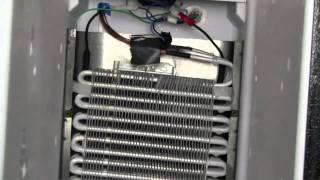
- Defrost system failure (defrost heater, defrost thermostat, or defrost timer/control) causing evaporator frost build-up and blocked airflow
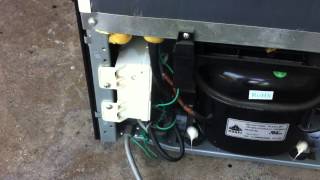
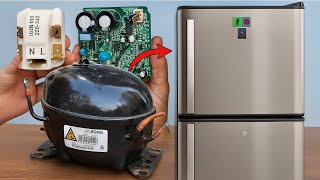
- Compressor start device/relay or compressor failure preventing the refrigerant system from running properly
Popular Parts That Fix This Problem
These are the most common replacement parts that fix this problem. When you're ready to order, click below to find the right part at ProsourceParts.com — just search by your appliance model number for a guaranteed fit.

Helpful Repair Tip
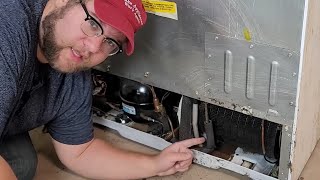
Start with two quick tests: (1) Open the freezer and listen for the evaporator fan running — if you can’t hear it when the compressor is on, the evaporator fan or its motor is a top suspect. (2) Check the back bottom of the fridge for a running compressor and feel for vibration; a hot, silent compressor or a clicking relay points toward a start device or compressor problem.
Frequently Asked Questions
How do I find the correct part number for my GE Profile refrigerator?
Locate the model and serial number tag — usually inside the fresh-food compartment on the right wall, on the ceiling, or on the door frame; some models have the tag on the upper hinge cover. Use that model number on GE Appliances parts websites or reputable parts distributors to find exact OEM part numbers. Don’t substitute parts by generic description alone; identical-looking parts can differ between Profile models.
Can I replace the faulty part myself or should I call a technician?
Some repairs are DIY-friendly: replacing evaporator or condenser fans, door gaskets, and many thermistors can be done with basic tools and safety precautions (unplug the fridge first). Repairs involving refrigerant (compressor replacement), sealed system work, or complex electrical control swaps are best left to certified technicians. If the unit is under warranty or the repair requires refrigerant recovery, hire a pro.
Related How-To Videos
Real DIY Repair Stories
Be the first to share your repair story!
Share Your Repair Story
Your experience helps other homeowners fix their appliances. Tell us how it went!
Can't Fix It Yourself? Find a Local Technician
It's perfectly okay to call a professional. Some repairs require specialized tools, deep teardowns, or dealing with complex systems that are better left to the pros.

Find the Right Part for Your Appliance
Don't guess — search your exact appliance model number at ProsourceParts.com to find the correct OEM compatible replacement part. They offer fast free shipping, guaranteed fit, and thousands of parts in stock.
Your Free Parts Videos
Whether your dishwasher won't drain, your dryer stopped heating, or your fridge isn't cold, we've created simple repair guides for the most common appliance problems homeowners face. Each guide explains what's going wrong, the most likely causes, and which replacement parts fix the issue. When you're ready to order, we link directly to ProsourceParts.com where you can search by model number and get the right part shipped fast.