
GE LAFW3511KB0 Washer — Troubleshooting & What Parts Fix Common Problems
Need the replacement part? Search your model number at for guaranteed fit and fast free shipping.
Understanding the Problem
This guide covers common faults and practical repairs for the GE top-load washer model LAFW3511KB0. Below are typical symptoms, likely causes, and step-by-step diagnostic and repair instructions you can follow as a homeowner or DIY tech. 1) Washer won't start or won't accept commands - What to check first: 1.1 Unplug washer or shut off power at the breaker and then restore power to reset the control. Confirm the outlet has power with a lamp or multimeter. 1.2 Check the lid/lid switch: The washer will not run if the lid switch is open. Locate the lid switch (under the control panel or inside the cabinet near the lid hinges), remove the switch cover, and test for continuity with a multimeter when the lid is closed. 1.3 Check control lock / child lock indicator—disable if active (refer to the control panel guide). 1.4 If the console is dead or unresponsive, inspect the wire harness connections between the control board and console; reseat connectors. - How to fix: • Replace a failed lid switch/lid lock assembly if it shows no continuity when actuated. Disconnect power, remove the console or top to access the switch, unplug the switch harness and swap in the replacement. • Replace the control board only after confirming power and interface components are functional and follows exact replacement steps in the service manual. 2) Washer won't fill or fills slowly - What to check first: 2.1 Confirm both hot and cold water supply valves are fully open. 2.2 Inspect inlet hoses for kinks and screens (on the water inlet valve) for debris. 2.3 Check the water inlet valve (solenoids) for continuity or visible leak/damage. - How to fix: • Turn off water and power. Remove inlet hoses and clean screens at the valve. If solenoids have no continuity or valve leaks, replace the water inlet valve assembly. • If the washer fills but not to correct level, check the pressure switch and its small pressure hose (from tub to switch) for blockages or cracks; replace pressure hose or switch if faulty. 3) Washer won't drain or won't spin (water remains) - What to check first: 3.1 Inspect the drain hose for clogs or improper routing (hose must be looped correctly and not inserted too far into standpipe). 3.2 Check coin trap or pump inlet for foreign objects; many GE models have a pump filter or accessible pump area. 3.3 Test the drain pump motor for continuity and listening for pump motor hum when attempting to drain. - How to fix: • Unplug washer and shut off water. Access the drain pump (usually at front bottom or through rear panel), remove clamps and check the pump impeller for obstructions. Replace the drain pump if the motor is dead or impeller damaged. • If the motor runs but tub won't spin, check the lid switch and drive system (belt, coupling, gearcase) per sections below. 4) Washer doesn't agitate or spin but motor runs (slipping/clutch/gearcase) - What to check first: 4.1 If you hear the motor running but drum not turning, inspect the drive belt (if present) for wear or the motor coupling (on direct drive models) for broken plastic. 4.2 Check the agitator coupling (agitator dogs or cam) if the agitator spins one way only or slips. - How to fix: • Replace worn drive belt or motor coupling. For belt replacement: disconnect power, remove back or front access panel, loosen motor tensioner (if equipped), slip off old belt and fit new one in correct groove order. • For agitator problems, remove the agitator cap and bolt to inspect agitator dogs/cogs; replace worn dogs. • For transmission/gearcase failure (grinding, smoke, or complete loss of drive), replacement of the gearcase or whole tub/gearcase assembly is required—this is a large repair; source the correct OEM gearcase for LAFW3511KB0. 5) Excessive vibration or banging during spin - What to check first: 5.1 Verify washer is level: adjust the four leveling legs so all corners contact the floor. Use a level across the top. 5.2 Check load balance: overloading or a single heavy item causes banging. 5.3 Inspect suspension/shock absorbers or springs for wear/breakage. - How to fix: • Redistribute the load or reduce size. Replace worn or broken shocks/springs (turn off power, tip the washer back or remove cabinet to access shocks/springs and replace in pairs). • Replace worn tub bearings/seals if you hear rumbling during spin—this requires disassembly of the outer tub and is a major repair. 6) Loud squeal, grinding, or thumping noises - What to check first: 6.1 Check for foreign objects (coins, keys) trapped between tub and outer tub or in pump. 6.2 Inspect motor coupling, bearings, and drive system for wear. - How to fix: • Remove the cabinet and drum access covers to visually inspect the drum and pump area. Extract foreign objects. Replace any damaged pump or coupling components. • If bearings are worn (metallic grinding/rubbing), replace the bearing/tub seal kit or the entire tub/gearcase assembly. General step-by-step tips for small repairs (lid switch, drain pump, inlet valve): - Step A: Safety first—unplug the washer and shut off the water supply. - Step B: Remove the required panels—top or control console for lid switch, front or rear access panel for pump and hoses. - Step C: Take clear photos of wiring and hose routing before disconnecting anything. - Step D: Disconnect wiring connectors (press the tab), remove mounting screws, and swap the faulty part for the new one. - Step E: Reconnect wiring, restore power and water, run a diagnostic or short test cycle to verify operation. Safety note: Always unplug the washer and shut off the water before inspecting or working on internal components. If you are uncomfortable with electrical work, lifting heavy parts, or major disassembly (gearcase/tub bearing replacement), hire a qualified appliance technician.
Common Symptoms
Washer won't start; won't fill; won't drain; won't spin/agitate; loud noises during spin; excessive vibration; leaking water.
Common Causes
- Failed lid switch or lid lock assembly
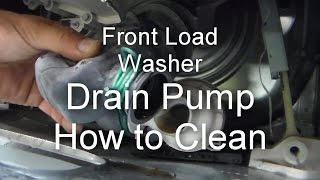
- Clogged drain hose or faulty drain pump
- Bad water inlet valve or clogged inlet screens
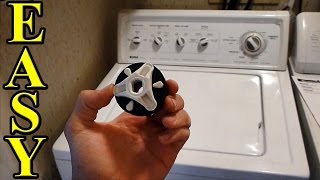
- Worn drive belt, motor coupling, or agitator dogs
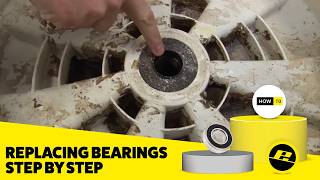
- Worn suspension shocks, springs, or tub bearings
- Faulty control board or wiring/connectors
Popular Parts That Fix This Problem
These are the most common replacement parts that fix this problem. When you're ready to order, click below to find the right part at ProsourceParts.com — just search by your appliance model number for a guaranteed fit.
Helpful Repair Tip
To confirm a failed lid switch or drain pump quickly: use a multimeter to test for continuity with the lid closed (lid switch) or while running the drain cycle (pump should show resistance and run). If the pump motor is silent with proper voltage present when commanded, replace the pump.
Frequently Asked Questions
How do I run a diagnostic or error code check on my LAFW3511KB0?
Many GE top-load washers have a built-in diagnostic/test mode. Try turning the selector knob and control buttons in a particular sequence described in the service manual (power off, then press specific buttons) — because sequences vary by model, check the LAFW3511KB0 service manual or the technical sheet (often taped inside the cabinet) for the exact entry procedure. Running diagnostics will display stored error codes you can look up to pinpoint failed components.
Is it worth repairing a major issue like a worn gearcase or tub bearings?
Replacing a gearcase or tub bearings is a labor-intensive repair and can cost as much in labor and parts as a replacement washer, depending on your local service rates. If the washer is older (>8–10 years) or the estimated repair exceeds ~50% of the cost of a new machine, replacement is often more cost-effective. For recent models with warranty or moderate repair costs, replacing the gearcase/tub assembly can extend service life significantly.
Related How-To Videos
Real DIY Repair Stories
Be the first to share your repair story!
Share Your Repair Story
Your experience helps other homeowners fix their appliances. Tell us how it went!
Can't Fix It Yourself? Find a Local Technician
It's perfectly okay to call a professional. Some repairs require specialized tools, deep teardowns, or dealing with complex systems that are better left to the pros.
Find the Right Part for Your Appliance
Don't guess — search your exact appliance model number at ProsourceParts.com to find the correct OEM compatible replacement part. They offer fast free shipping, guaranteed fit, and thousands of parts in stock.
Your Free Parts Videos
Whether your dishwasher won't drain, your dryer stopped heating, or your fridge isn't cold, we've created simple repair guides for the most common appliance problems homeowners face. Each guide explains what's going wrong, the most likely causes, and which replacement parts fix the issue. When you're ready to order, we link directly to ProsourceParts.com where you can search by model number and get the right part shipped fast.