
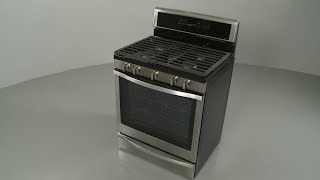
GE JGBS66REK2SS Ignition Problems – What Causes No Spark or No Oven Flame?
Need the replacement part? Search your model number at for guaranteed fit and fast free shipping.
Understanding the Problem
The GE JGBS66REK2SS uses two ignition systems: spark ignition electrodes for the cooktop burners and a hot-surface (glow) igniter plus safety gas valve for the oven. If burners click but don’t light, or the oven glows but won’t open the valve, the issue is usually an ignition component (electrode, module, igniter) or the gas valve rather than the gas supply itself. Electrical faults, damaged wiring or grounding problems can also prevent ignition. Diagnosing the problem requires observing symptoms (clicking, visible spark, oven glow), checking for obvious issues (wet/soiled electrodes, burner port blockages), and testing components (continuity/resistance of oven igniter, presence of spark at electrodes, and operation of the spark/ignition module). Some fixes are simple cleaning or repositioning; others (igniter or gas valve replacement) require part replacement and basic mechanical/electrical skills — and attention to safety (power and gas off) or a service technician if unsure.
Common Symptoms
Burners click but don't light; intermittent or weak spark at electrodes; oven igniter glows but oven will not ignite; long delay before oven lights; no clicking sound at all when turning burner knobs.
Common Causes
- Dirty, wet, damaged or misaligned spark electrodes (no visible spark at burner)
- Faulty spark/ignition module or ignition switches (clicking noise but no spark)
- Failed oven hot-surface igniter or gas safety valve (igniter may glow but not draw enough current to open valve)
Popular Parts That Fix This Problem
These are the most common replacement parts that fix this problem. When you're ready to order, click below to find the right part at ProsourceParts.com — just search by your appliance model number for a guaranteed fit.

Helpful Repair Tip
Confirm the faulty part by observing behavior: if cooktop clicks and you see no visible spark at the electrode, test/replace the spark module or clean/replace electrodes; if the oven glows but the burner never lights, measure the oven igniter's resistance—low/no current means the igniter or safety valve is at fault.
Frequently Asked Questions
Why do my burners click but not light?
Clicking without lighting commonly means the ignition system is trying to spark but the spark isn't reaching the gas. First check for blocked burner ports, wet or dirty electrodes, or misaligned electrodes (they must be close to the burner cap). If electrodes look good and you still see no or weak spark, the spark module or ignition switches may be failing, or wiring/grounding may be loose or damaged. If you see a strong spark but no flame, check the gas supply and that the burner cap is seated correctly.
Can I replace the igniter myself or should I call a technician?
If you have basic appliance repair experience, correct replacement tools, and you follow safety steps (turn off electrical power and gas), replacing a cooktop electrode or oven igniter is often a DIY job. Oven igniters require careful handling and testing with a multimeter for continuity/resistance before replacement. Replacing a gas safety valve or diagnosing complex electrical faults is best left to a qualified technician because incorrect installation can cause gas leaks or unsafe operation.
Related How-To Videos
Real DIY Repair Stories
Be the first to share your repair story!
Share Your Repair Story
Your experience helps other homeowners fix their appliances. Tell us how it went!
Can't Fix It Yourself? Find a Local Technician
It's perfectly okay to call a professional. Some repairs require specialized tools, deep teardowns, or dealing with complex systems that are better left to the pros.

Find the Right Part for Your Appliance
Don't guess — search your exact appliance model number at ProsourceParts.com to find the correct OEM compatible replacement part. They offer fast free shipping, guaranteed fit, and thousands of parts in stock.
Your Free Parts Videos
Whether your dishwasher won't drain, your dryer stopped heating, or your fridge isn't cold, we've created simple repair guides for the most common appliance problems homeowners face. Each guide explains what's going wrong, the most likely causes, and which replacement parts fix the issue. When you're ready to order, we link directly to ProsourceParts.com where you can search by model number and get the right part shipped fast.