
GE GTW680BLODG Washer — Troubleshooting & Repair Guide
Need the replacement part? Search your model number at for guaranteed fit and fast free shipping.
Understanding the Problem
The GE GTW680BLODG is a top-load consumer washer that can show common symptoms like not draining, not spinning, not filling, loud noises, leaking, or error codes. Below are the most likely causes and step-by-step diagnostics and repair actions you can take. 1) Initial safety & prep: Unplug the washer and shut off both hot and cold water supply valves before doing any work. Have basic tools ready: multimeter, needle-nose pliers, screwdrivers, adjustable wrench, towels and a shallow pan for water. 2) If the washer won't start or respond: a) Check power — confirm the outlet has 120 V with a plug-in tester and check your home's breaker. b) Inspect the control/display for error codes — note any blinking lights or codes and consult the manual. c) Soft reset: unplug for 1 minute, plug back in and try a short cycle. d) If still dead, suspect control board or user interface — visually inspect the console for burnt connectors or moisture. 3) If it won't fill or fills slowly: a) Check inlet hoses for kinks and inlet screens on the water valve for sediment. Turn off water, remove hoses and inspect screens. b) Test the water inlet valve solenoids: with power disconnected, check for continuity on each solenoid with a multimeter; no continuity suggests a failed valve (replace valve). c) Confirm correct incoming water pressure and fully open valves. 4) If it won't drain or pump, or leaves water in tub: a) Check the drain hose for kinks and clogs; detach the hose and run water through it. b) Inspect the drain pump for obstructions — remove lower access or rear panel (depending on model) and examine pump inlet/outlet and impeller. c) Listen: if the pump hums but doesn't pump, the impeller or pump motor failed — replace the drain pump. d) Test pump motor for continuity with a multimeter; no continuity = replace. 5) If it won't agitate or spin: a) Check lid/lid switch or lock assembly — many modern top-loaders won't spin if the lid lock is faulty. Test lid lock for continuity; if no continuity when lid closed, replace lock assembly. b) Inspect drive components: look for burnt motor smell or visible damage. Check motor windings with a multimeter (compare to service specs). c) Check drive coupler / clutch / gearcase: if the washer hums but doesn't spin and there’s grinding or burning smell, suspect a failed coupling, clutch or transmission. Replace the failed component. 6) If the washer is noisy or vibrates excessively: a) Inspect suspension (dampening) rods and springs — worn rods cause banging and imbalance. Replace any broken rods. b) Check tub bearings and gearcase — grinding or metal-on-metal noises point to bad bearings or gearcase; these usually require gearcase replacement. c) Confirm load distribution and leveling — rebalance load and adjust feet. 7) If there are leaks: a) Inspect hoses (inlet and drain), clamps, and hose-to-pump and hose-to-tub connections for cracks or loose clamps — tighten or replace hoses/clamps. b) Check the air dome and tub seals and the pump seals for signs of seepage — sources around the gearcase generally indicate a failing tub seal/gearcase. 8) Control and electronic issues: a) If you get intermittent operation or weird cycles, test connections between the user interface and main control board — reseat connectors. b) Replace control board or console only after ruling out wiring and power issues. Practical how-to-replace examples (drain pump and lid lock): - Drain pump: unplug washer, turn off water, tip washer back or access rear/bottom panel. Place a shallow pan under pump, disconnect electrical connector and hoses, remove mounting screws, swap in new pump, reconnect hoses and connector, restore power and test. - Lid lock: unplug washer, remove console or top panel per service manual, remove locking assembly screws, disconnect wiring harness, install new lock, reassemble and test. Safety note: Always disconnect power and water before servicing. Use correct replacement parts sized for your exact model (check the service tag on the washer). If you’re not comfortable with electrical testing or removing the cabinet, call a qualified appliance technician.
Common Symptoms
Washer won't drain or spin, won't fill, loud banging or grinding during cycle, persistent leaks, or washer won't power on/respond.
Common Causes
- Clogged or kinked drain hose or pump inlet
- Failed drain pump or pump impeller obstruction
- Faulty lid switch or lid lock assembly preventing spin
- Bad water inlet valve or clogged inlet screens
- Worn suspension rods, clutch, or gearcase/bearings
- Faulty electronic control board or loose wiring harness
Popular Parts That Fix This Problem
These are the most common replacement parts that fix this problem. When you're ready to order, click below to find the right part at ProsourceParts.com — just search by your appliance model number for a guaranteed fit.
Helpful Repair Tip
Confirm a failed drain pump by running a drain/spin cycle and listening: a humming/noisy but non-spinning pump often means obstruction or a seized pump — remove and inspect the impeller before replacing.
Frequently Asked Questions
How do I find the exact replacement part number for my GTW680BLODG?
Locate the model and serial tag on the washer (usually behind the lid or on the back). Use that full model/serial on GE's parts lookup or trusted parts sites to get the exact part number — many components look similar but are model-specific.
Can I safely replace the drain pump or lid lock myself?
Yes — replacing the drain pump or lid lock is a common DIY repair if you are comfortable disconnecting power/water and using basic tools. Always unplug the washer, turn off water, and follow the steps in the guide. If the repair requires removing the gearcase or handling refrigerants (not applicable here) or if you’re unsure about electrical testing, call a professional.
Related How-To Videos
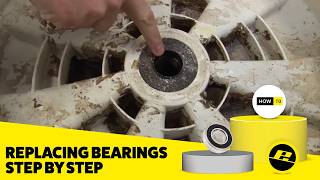
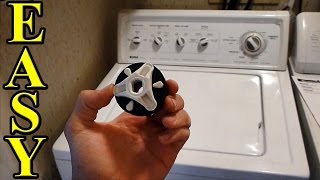
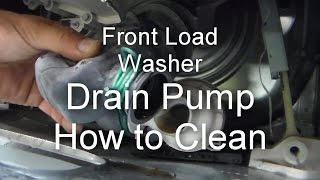
Real DIY Repair Stories
Be the first to share your repair story!
Share Your Repair Story
Your experience helps other homeowners fix their appliances. Tell us how it went!
Can't Fix It Yourself? Find a Local Technician
It's perfectly okay to call a professional. Some repairs require specialized tools, deep teardowns, or dealing with complex systems that are better left to the pros.

Find the Right Part for Your Appliance
Don't guess — search your exact appliance model number at ProsourceParts.com to find the correct OEM compatible replacement part. They offer fast free shipping, guaranteed fit, and thousands of parts in stock.
Your Free Parts Videos
Whether your dishwasher won't drain, your dryer stopped heating, or your fridge isn't cold, we've created simple repair guides for the most common appliance problems homeowners face. Each guide explains what's going wrong, the most likely causes, and which replacement parts fix the issue. When you're ready to order, we link directly to ProsourceParts.com where you can search by model number and get the right part shipped fast.