
GE GTW460ASJ9WW Washer Lid Lock / Latch Switch – What Part Fixes This Problem?
Need the replacement part? Search your model number at for guaranteed fit and fast free shipping.
Understanding the Problem
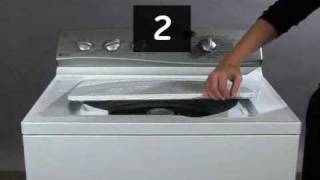
Brief explanation: The lid lock (latch) switch on the GE GTW460ASJ9WW is an interlock that detects whether the lid is closed and locks it during spin/drain. If it fails, the washer may not start, may stop mid-cycle, show an error, or refuse to lock/unlock the lid. Step-by-step diagnosis and repair (practical how-to steps): 1) Confirm symptoms and error codes: - Note what the washer does: won't start, won’t spin, 'lid' or 'LID' error, or lid stuck closed or won’t latch. Record any LED/error display codes or blinking patterns. 2) Safety first — power off: - Unplug the washer or switch off the breaker before doing any inspection or repairs. 3) Visual inspection: - Open the lid and inspect the latch area for broken plastic, melted components, or debris. Check the mating striker on the lid for damage or bending. 4) Functional test (power on brief test for audible click): - Restore power, start a cycle that should lock the lid, and listen for a click at the lock assembly when the cycle starts. If you don’t hear a click, the lock may not engage. - If the lid stays locked and will not release after the cycle, the latch may be mechanically stuck or electrically stuck. 5) Electrical test with a multimeter (do this only if comfortable): - Unplug the washer. Disconnect the wiring harness from the lid lock. Set multimeter to continuity/ohms. - Test for continuity between the appropriate terminals as listed on the service sheet (or check for continuity across the switch contacts). A permanently open or shorted switch indicates failure. - Check for proper control voltage at the connector during the brief powered test (120V or the specified control voltage) — if the control is not sending voltage, the problem could be control board or wiring rather than the lock. 6) Inspect wiring and connectors: - Look for burnt connectors, frayed wires, or corrosion at the harness and control board connection. Poor connection can mimic a bad lock. 7) Replacement instructions (how to fix): - Tools needed: screwdriver set (Phillips/flat), nut driver, needle-nose pliers, multimeter, and replacement lid lock assembly. - Unplug the washer. - Remove or lift the control panel if required (on many GE tops, remove screws at the back of the top panel, then tilt the panel forward). Some models allow access via the top rear screws and lifting the top. - Locate the lid lock assembly on the front lip under the lid. Remove mounting screws and gently pull the assembly forward. - Disconnect the wiring harness from the lock. Note connector orientation or take a phone photo. - Install the new lock: connect harness, seat the assembly, and reinstall mounting screws. Ensure the striker aligns with the lock and the lid closes smoothly. - Reassemble the control panel/top and restore power. - Run a short test cycle and verify the lid locks, washer advances through the cycle, and the lid unlocks at the end. Safety note: Never bypass the lid lock for normal operation — it’s a safety device to prevent the lid from opening during high-speed spin. Temporary bypasses for diagnosis should be brief and only used with extreme caution. Always disconnect power when testing wiring with a meter and avoid working on energized circuits if you’re not qualified.
Common Symptoms
Washer won’t start or won’t advance to spin; 'lid' or related error; lid won’t lock or won’t release; washer stops mid-cycle; audible clicking absent or constant.
Common Causes
- Mechanical wear or broken plastic components in the latch assembly
- Failed interlock switch (no continuity) or internal electrical fault
- Damaged wiring or poor connector connection between lock and control board
Popular Parts That Fix This Problem
These are the most common replacement parts that fix this problem. When you're ready to order, click below to find the right part at ProsourceParts.com — just search by your appliance model number for a guaranteed fit.

Helpful Repair Tip
To confirm the lock is bad: start a cycle and listen for a distinct 'click' from the lock. If no click and no continuity at the lock terminals (with power off), the lock is likely faulty. If you have voltage at the lock connector but no click, replace the lid lock assembly.
Frequently Asked Questions
Can I bypass the lid lock to get the washer to run?
You can temporarily bypass the lid lock only for a short diagnostic check, but it is not recommended for regular use. Bypassing disables a safety device and can allow the lid to open during spin which is dangerous. If bypassing makes the machine run, that indicates a bad lock; replace the lock assembly rather than leaving a bypass in place.
Can I replace the lid lock myself and how much does it cost?
Yes — replacing the lid lock is generally a straightforward DIY job for someone comfortable with basic tools. Typical time is 30–60 minutes. Parts usually range from about $20–$80 depending on OEM vs aftermarket. Always verify the correct part number for your GTW460ASJ9WW before ordering, unplug the washer, and follow the replacement steps above.
Related How-To Videos
Real DIY Repair Stories
Be the first to share your repair story!
Share Your Repair Story
Your experience helps other homeowners fix their appliances. Tell us how it went!
Can't Fix It Yourself? Find a Local Technician
It's perfectly okay to call a professional. Some repairs require specialized tools, deep teardowns, or dealing with complex systems that are better left to the pros.

Find the Right Part for Your Appliance
Don't guess — search your exact appliance model number at ProsourceParts.com to find the correct OEM compatible replacement part. They offer fast free shipping, guaranteed fit, and thousands of parts in stock.
Your Free Parts Videos
Whether your dishwasher won't drain, your dryer stopped heating, or your fridge isn't cold, we've created simple repair guides for the most common appliance problems homeowners face. Each guide explains what's going wrong, the most likely causes, and which replacement parts fix the issue. When you're ready to order, we link directly to ProsourceParts.com where you can search by model number and get the right part shipped fast.