
GE GTS18GTHJRWW Refrigerator — Troubleshooting & Repair Guide
Need the replacement part? Search your model number at for guaranteed fit and fast free shipping.
Understanding the Problem
Brief explanation: The GTS18GTHJRWW is a top-freezer refrigerator that can develop the usual faults: not cooling, freezer-cold/fridge-warm, frost build-up, noisy operation, ice maker or water problems, and door seal leaks. Most issues are caused by problems with airflow (fans), defrost system failures, dirty condenser, or failed start components. Step-by-step diagnostic & repair steps (practical how-to fixes): 1) Safety & preparation: - Unplug the refrigerator before any inspection. If testing live is required, use insulated tools and be cautious. Have a multimeter, nut drivers, Philips screwdrivers, putty knife, and replacement parts ready. 2) Basic checks (first things to check for any cooling complaint): - Verify the unit has power and thermostat/control is set correctly. - Listen: do you hear the compressor humming? Do you hear fans running? - Check condenser coils (bottom/back). If dirty, clean with brush/vacuum — dirty coils reduce cooling. 3) If compressor runs but fridge is warm (freezer cold, fridge warm): - Check evaporator fan in freezer: open freezer and listen with door switch held closed. If fan not running, the fridge evaporator airflow is blocked. Remove the evaporator cover in freezer to access fan. - Test evaporator fan motor for continuity with a multimeter. Replace the fan motor if it has no continuity or doesn't run when powered. - Check the air damper/duct between freezer and fridge for damage or obstruction and ensure damper closes and opens. 4) If freezer is cold but evaporator has heavy frost or ice (frost build-up): - Defrost system likely failed. Remove freezer back panel to inspect evaporator coils for heavy frost. - Test defrost heater continuity and defrost thermostat/bi-metal with a multimeter. If either is open when cold, replace the faulty part. - If heater & thermostat are good, the defrost control (or main control board) may be faulty — further testing of defrost timer or board required. - For a quick field fix, perform a manual defrost (unplug and let ice melt) to restore function, then diagnose components. 5) If compressor does not run (humming or clicking): - Check start relay/overload on compressor. Remove relay and shake gently — a rattling or burnt smell suggests failure. - Test relay with multimeter if possible; replace with correct relay/overload kit if faulty. - If new relay still doesn't start compressor or compressor is hot and silent, compressor could be failing (requires tech-level repair or replacement). 6) If unit is noisy (buzzing, rattling): - Identify noise source: compressor, condenser fan, or evaporator fan. Tighten loose panels, ensure unit is level. - Replace noisy fan motor or faulty compressor mount as needed. 7) Ice maker / water dispenser problems: - Verify water supply valve behind fridge is open and lines are not kinked. - If ice maker doesn’t fill, test water inlet valve for continuity and proper operation. Replace valve if it does not open under 120VAC when commanded. - If ice cube trays freeze solid or cubes are small, check water pressure and inlet valve flow. 8) Door seal / temperature swings: - Inspect gasket for cracks, gaps, or compression set. Clean the gasket and check magnetic seal. Replace gasket if it doesn’t seal. 9) Replacement basics (how to replace common parts): - Evaporator fan motor: unplug unit, remove freezer shelving and evaporator cover, disconnect fan wiring harness, remove mounting screws, replace motor and reassemble. - Condenser coil cleaning: unplug, remove bottom kickplate, vacuum coils, brush and wipe with coil cleaner if heavy grime. - Start relay/overload: unplug, pull fridge away, access compressor area, unplug relay from compressor pins, plug new relay in place and test. - Defrost heater & thermostat: unplug, remove freezer rear panel, disconnect connectors and mounting fasteners, install replacements and reassemble. 10) Final checks and test run: - Reconnect power, give the system 4–24 hours to stabilize. Monitor temperatures in fridge and freezer and listen for normal fan/compressor operation. Safety note: - Always unplug the refrigerator before accessing internal components. When testing live circuits (compressor relay testing or powering fans) be careful with exposed terminals. If you’re uncomfortable with electrical diagnostics or compressor service, call a qualified appliance technician.
Common Symptoms
Not cooling (fridge warm/freezer cold), frost buildup on evaporator, noisy operation, ice maker not filling, water leaks, frequent cycling.
Common Causes
- Clogged/dirty condenser coils reducing cooling efficiency
- Failed evaporator fan or condenser fan preventing airflow
- Defrost system failure (heater, thermostat, or control) causing frost buildup and airflow block
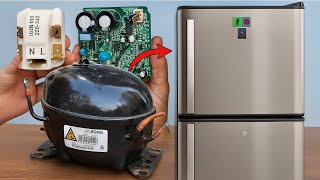
- Bad start relay/overload or failing compressor
- Water inlet valve or water line issues affecting ice maker and dispenser
- Worn/failed door gasket causing poor seal and temperature swings
Popular Parts That Fix This Problem
These are the most common replacement parts that fix this problem. When you're ready to order, click below to find the right part at ProsourceParts.com — just search by your appliance model number for a guaranteed fit.

Helpful Repair Tip
Listen with the refrigerator door open: no evaporator fan noise while compressor runs but freezer is cold usually means the evaporator fan or the door switch is faulty — start by checking the evaporator fan motor and its harness.
Frequently Asked Questions
My freezer is cold but the refrigerator compartment is warm. What should I check first?
First check that the evaporator fan in the freezer is running (you should hear it when the door switch is engaged). If the fan is not running, check the fan motor and its wiring. Next, inspect the air damper between the freezer and fridge to ensure it opens. Also clean condenser coils and verify the defrost system isn’t iced over blocking airflow.
How can I tell if the compressor or the start relay is bad?
If the compressor doesn't run and you hear a clicking or humming sound, the start relay/overload is a common culprit. Remove the relay and inspect for burn marks or a rattling sound when shaken. You can often swap in a known-good relay to test. If the compressor is hot, silent and won’t start even with a good relay, the compressor may be failing and will need professional service or replacement.
Related How-To Videos
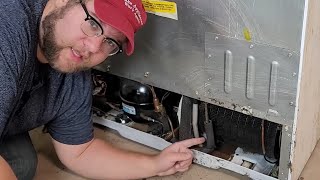
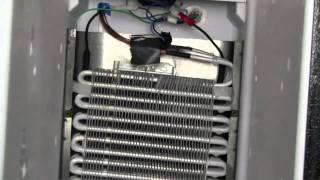
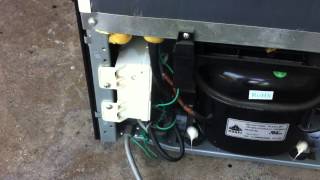
Real DIY Repair Stories
Be the first to share your repair story!
Share Your Repair Story
Your experience helps other homeowners fix their appliances. Tell us how it went!
Can't Fix It Yourself? Find a Local Technician
It's perfectly okay to call a professional. Some repairs require specialized tools, deep teardowns, or dealing with complex systems that are better left to the pros.

Find the Right Part for Your Appliance
Don't guess — search your exact appliance model number at ProsourceParts.com to find the correct OEM compatible replacement part. They offer fast free shipping, guaranteed fit, and thousands of parts in stock.
Your Free Parts Videos
Whether your dishwasher won't drain, your dryer stopped heating, or your fridge isn't cold, we've created simple repair guides for the most common appliance problems homeowners face. Each guide explains what's going wrong, the most likely causes, and which replacement parts fix the issue. When you're ready to order, we link directly to ProsourceParts.com where you can search by model number and get the right part shipped fast.