
GE GSHS6KGZBCSS — Troubleshooting & Repair Guide for Common Refrigerator Problems
Need the replacement part? Search your model number at for guaranteed fit and fast free shipping.
Understanding the Problem
About this model: GE model GSHS6KGZBCSS is a side-by-side refrigerator (verify the exact model on the appliance rating plate before ordering parts). The most common problems owners see with this family of GE refrigerators are: not cooling or warming, freezer frosting up or not defrosting, noisy operation, water/ice dispenser issues, and leaks. Step-by-step diagnostic and repair steps: 1) Verify model and safety first - Locate the model/rating plate (usually inside the fresh-food compartment on the wall or door jamb) and confirm GSHS6KGZBCSS. - Unplug the refrigerator before doing any electrical work. Shut off the water supply if working on water/ice components. 2) Basic checks (quick wins) - Ensure temperature controls are set correctly (typically fridge 37–40°F, freezer 0–5°F). - Check for blocked vents between freezer and fridge compartments (blocking airflow causes warming). - Inspect door gaskets for gaps or damage and ensure doors close fully. - Clean condenser coils (under or behind fridge) if they are dusty — this improves cooling performance. 3) If the unit is not cooling (both compartments warm) - Listen: is the compressor running (a low hum)? Are there clicking sounds or long pauses? - Check condenser fan motor (at the rear lower section): with power on, verify the fan spins. If the fan is not running and motor is cold/failed, replace it. - Check evaporator fan motor (in freezer): open freezer and press door switch (or operate door closed) — evaporator fan should run when compressor is running. Replace if failed. - Check start relay/overload on the compressor: if compressor tries to start and clicks or doesn’t run, swap the relay or test with a multimeter for open windings/shorts. A failed relay/overload is a common cause of a compressor that won’t run. - If compressor is running but cooling is poor, verify airflow and that evaporator is frosting normally. If evaporator is covered in thick frost or completely thawed, suspect defrost system failure or sealed system/refrigerant loss. - Defrost system diagnostics: check for heavy frost on evaporator coils. If present, test defrost heater continuity and defrost thermostat (thermistor) for continuity when cold; test defrost control/timer (if present) or electronic control for proper defrost cycles. Replace faulty defrost heater, thermostat, or control. - Sealed-system (compressor, refrigerant) issues: if the compressor runs but temperatures don’t drop and coils are not cold/are normal temperature, a sealed-system fault or internal compressor failure may be present. This requires an HVAC/refrigeration tech with gauges; sealed-system repairs are costly. 4) If freezer is frosting up or ice buildup in freezer or between compartments - Inspect defrost heater and temperature sensor/thermostat: use a multimeter to check continuity on the heater and bi-metal. If they are open, replace the failed component. - Check the door seal on the freezer for leaks (warm, moist air entering causes frost build-up). - Clear blocked drain: melting frost should drain to the pan. A clogged defrost drain causes standing water then freezing — clear drain with warm water or a flexible heater-safe drain cleaner. 5) Ice maker not making ice or dispensing problems - Confirm water supply is on and water valve is functioning. Test the water inlet valve for continuity and that it opens when the dispenser/ice maker calls for water. - Inspect the ice maker assembly: look for ice jam, frozen mold thermostat, or failed motor/module. Remove visible ice jams and run a harvest cycle to test. - Test the ice maker’s fill solenoid and water lines for kinks and proper pressure. Replace ice maker module if it does not cycle or if harvest motor is dead. 6) Water leaking inside or under the fridge - Check the defrost drain under evaporator in freezer: if clogged, water overflows into the fridge. Unclog and flush drain with warm water; remove ice block if present. - Inspect water inlet valve and water filter housing for leaks; tighten fittings or replace valve/filter housing if cracked. - Check the drain pan for cracks and ensure the drip pan is seated properly. 7) Noisy refrigerator (rattling, buzzing, pinging) - Identify the source: compressor (normal low hum), evaporator fan (ice buildup or motor bearings), condenser fan (debris or bearing wear), or water valve (buzzing when filling). - Replace failed fan motors or secure loose components to eliminate noise. 8) How to replace common parts (high-level steps) - Evaporator or condenser fan motor replacement: unplug fridge, remove access panel (rear lower access for condenser fan, freezer evaporator cover inside freezer for evap fan), disconnect wiring harness, remove mounting screws, swap motor and blades, reconnect harness, test operation. - Start relay/overload swap: unplug fridge, access compressor relay at compressor base, remove old relay/overload, install new OEM-replacement, power on and observe compressor starting. - Defrost heater/thermostat: unplug, remove freezer evaporator cover, disconnect heater and thermostat leads, unclip heater from coil, install new heater/thermostat, reassemble and test via forced defrost or by monitoring frost pattern over a day. - Water inlet valve: shut off water, unplug fridge, remove rear access panel, disconnect water lines (have towel), unmount valve, note wiring, install new valve, reconnect water line, test for leaks and proper fill. Safety note: Always unplug the refrigerator before accessing electrical components. For sealed-system repairs (compressor, refrigerant), use a certified refrigeration technician — those repairs require brazing and refrigerant handling equipment and are not DIY-safe or legal in many jurisdictions without certification.
Common Symptoms
Unit not cooling or cooling poorly, freezer frost buildup, ice maker not producing, water leaks, unusual noises.
Common Causes
- Failed evaporator or condenser fan motor restricting airflow
- Defrost system failure (heater/thermostat/control) causing frost buildup and blocked airflow
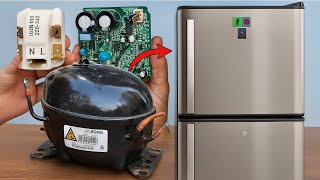
- Start relay/overload or compressor/sealed-system failure
Popular Parts That Fix This Problem
These are the most common replacement parts that fix this problem. When you're ready to order, click below to find the right part at ProsourceParts.com — just search by your appliance model number for a guaranteed fit.

Helpful Repair Tip
To confirm a failed start relay: with the fridge unplugged, remove the relay from the compressor and test it with a multimeter for continuity. If the compressor tries to start (you hear a click) but doesn't run or the relay is hot and smells burned, replace the relay first — it's a cheap fix often resolving a non-running compressor.
Frequently Asked Questions
Where can I find the exact model and serial number on my GE refrigerator?
The model and serial number are on the appliance rating plate/sticker inside the refrigerator — commonly on the fresh-food compartment side wall, ceiling, or behind crispers. Check the door jamb and inside the freezer as well. Use that exact number when ordering parts.
Is it worth repairing a compressor or sealed-system leak on this model?
Sealed-system repairs (compressor replacement, brazing, refrigerant recharge) are expensive and usually require a certified refrigeration technician. Often the repair cost approaches or exceeds the value of an older refrigerator. Get a quote from a licensed appliance/refrigeration tech and compare to replacement cost before proceeding.
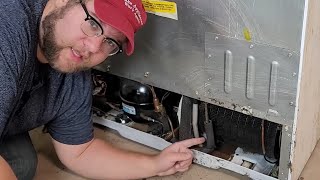
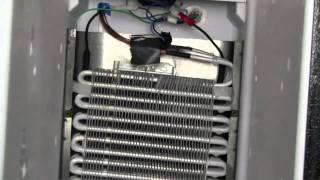
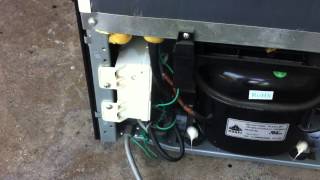
Related How-To Videos
Real DIY Repair Stories
Be the first to share your repair story!
Share Your Repair Story
Your experience helps other homeowners fix their appliances. Tell us how it went!
Can't Fix It Yourself? Find a Local Technician
It's perfectly okay to call a professional. Some repairs require specialized tools, deep teardowns, or dealing with complex systems that are better left to the pros.

Find the Right Part for Your Appliance
Don't guess — search your exact appliance model number at ProsourceParts.com to find the correct OEM compatible replacement part. They offer fast free shipping, guaranteed fit, and thousands of parts in stock.
Your Free Parts Videos
Whether your dishwasher won't drain, your dryer stopped heating, or your fridge isn't cold, we've created simple repair guides for the most common appliance problems homeowners face. Each guide explains what's going wrong, the most likely causes, and which replacement parts fix the issue. When you're ready to order, we link directly to ProsourceParts.com where you can search by model number and get the right part shipped fast.