
GE GD25DCXHS00 Refrigerator — Troubleshooting & Repair Guide
Need the replacement part? Search your model number at for guaranteed fit and fast free shipping.
Understanding the Problem
The GD25DCXHS00 (GE 25 cu ft-style) refrigerator can present common faults such as the fridge not cooling, freezer frosting up, water leaking inside or onto the floor, noisy operation, and ice-maker problems. Below are practical, prioritized diagnostics and repair steps you can perform at home. Follow each numbered procedure and stop if you encounter a fault that you cannot safely test or repair — call a pro. 1) Basic checks (do these first) 1.1. Verify power: ensure the fridge is plugged in, the outlet has power (use another appliance or a multimeter), and the breaker/fuse is OK. 1.2. Check temperature settings: refrigerator should be 37–40°F (3–4°C) and freezer around 0°F (−18°C). Adjust and wait 24 hours for stabilization. 1.3. Listen for normal operation: you should hear a faint hum from the compressor and periodic fan noise. 2) If the fridge or freezer is not cooling (most common) 2.1. Clean condenser coils: unplug fridge, pull it out, and clean dust/debris from underside or back coils and the condenser fan with a brush/vacuum. Restricted airflow is a frequent cause. 2.2. Check condenser fan (if present): with power off, inspect and spin fan by hand; no resistance, and shaft spins freely. With power on and cabinet open, verify fan runs when compressor is running. Replace if it does not run. 2.3. Check evaporator fan (in freezer): open freezer door — the evaporator fan should run when compressor is on and door switch is not activated. If freezer cools but fridge is warm, evaporator fan failure or damper problem is likely. 2.4. Test start relay/overload on compressor: a failed relay prevents compressor from starting. Listen for clicking or humming without the compressor running. With power off, remove relay and test continuity or swap with an identical known-good relay. Replace relay if faulty. 2.5. Check sealed system signs: if compressor runs but neither compartment cools, or compressor is hot and runs nonstop without cooling, sealed system leak or compressor failure may be present — these require an HVAC tech with refrigerant tools. 3) If freezer freezes up (excess frost/frost buildup) or fridge cycles off 3.1. Run a defrost diagnostic: the defrost system includes the defrost heater, defrost thermostat (bimetal), and defrost control/board or timer. Excess frost usually means the heater or control failed. 3.2. Inspect evap coil in freezer: pull out food, remove back panel and look for heavy frost. If heavy frost persists, test defrost heater for continuity and the defrost thermostat for continuity at low temps. Replace failed components. 3.3. Check door seals: leaking door gaskets let moist air in and cause frosting. Inspect seals for gaps, tears, and clean sealing surfaces. Replace gasket if compressed/damaged. 4) If water leaks inside or under the fridge 4.1. Check the defrost drain: a clogged drain in the freezer evaporator pan can overflow and leak. Remove food, pour warm water into the drain funnel to clear blockage, and use a turkey baster or thin flexible brush. If clogged with ice, thaw with a hair dryer (low) or allow manual defrost. 4.2. Inspect water supply (if equipped with ice/water dispenser): check water inlet valve and tubing for cracks or loose connections. Replace valve if leaking. 4.3. Verify drain pan is seated and not cracked under the unit. 5) If ice maker not producing or producing small/odd ice 5.1. Verify water supply and valve: ensure water supply is on and the inlet valve receives 120V at fill time. Replace water inlet valve if it doesn't open. 5.2. Check ice maker assembly: do a manual harvest/diagnostic (lift and drop arm or run the test per owner's manual). Inspect the fill tube for ice clog and thaw if needed. 5.3. Replace ice maker module if it fails to cycle after confirming water and power. 6) If the fridge is unusually noisy (rattling, loud humming, knocking) 6.1. Identify source: back panel for condenser fan or compressor, inside for evaporator fan, or on bottom for sump/vibration. Tighten mounting screws, level the fridge, and move items away from fan blades. 6.2. Replace noisy fan motors or damaged fan blades. Safety note: Always unplug the refrigerator before accessing internal components. Use a multimeter only if you are comfortable and understand how to test live circuits; otherwise, call a qualified appliance technician. If a repair involves the sealed refrigerant system (compressor, refrigerant leaks), do not attempt home repair — a licensed HVAC technician is required.
Common Symptoms
Not cooling (fridge or freezer), heavy frost or ice buildup on evaporator, water leaking inside or onto floor, ice-maker not filling/producing, loud humming or rattling noises.
Common Causes
- Dirty/congested condenser coils or blocked airflow
- Failed evaporator fan motor or condenser fan motor
- Faulty start relay/overload or failing compressor
- Defrost system failure (heater, thermostat, or control) causing frost buildup
- Clogged defrost/drain tube or bad door gasket allowing moisture ingress
- Faulty water inlet valve or ice maker assembly
Popular Parts That Fix This Problem
These are the most common replacement parts that fix this problem. When you're ready to order, click below to find the right part at ProsourceParts.com — just search by your appliance model number for a guaranteed fit.

Helpful Repair Tip
Start with cleaning the condenser coils and confirming both condenser and evaporator fans run; if one fan fails, the fridge will often warm up but the compressor will still run — that quickly narrows the fault.
Frequently Asked Questions
How can I tell if the compressor or the start relay is bad?
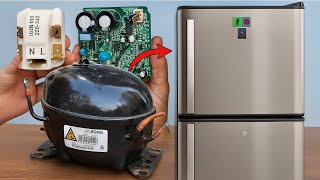
If the compressor is not running and you hear a clicking or a humming that stops, the start relay/overload is a likely culprit. With power off, remove the relay and check for physical burn marks or loose components. Use a multimeter to test continuity of the relay; if it fails, replace it. If the relay is good but the compressor does not run (and you’ve confirmed power), the compressor itself may be failing — this often requires a professional tech because it involves sealed‑system service.
Why does my freezer build up thick frost and the fridge warm up?
Thick frost on the evaporator typically means the defrost system is not working (defrost heater, defrost thermostat, or defrost control failure). Excess frost prevents proper airflow from the freezer to the fridge, causing the refrigerator compartment to warm. Diagnose by removing the freezer backpanel, looking for heavy frost, and testing the defrost heater for continuity and the thermostat for continuity at low temperatures. Replace the faulty defrost component and clear the ice (manual defrost) before returning the fridge to service.
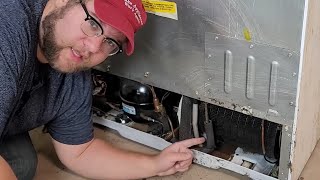
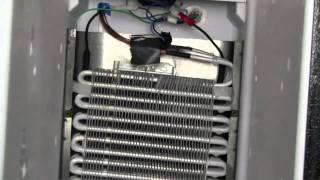
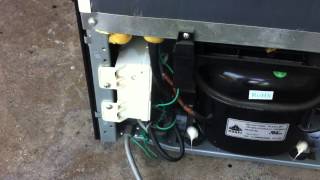
Related How-To Videos
Real DIY Repair Stories
Be the first to share your repair story!
Share Your Repair Story
Your experience helps other homeowners fix their appliances. Tell us how it went!
Can't Fix It Yourself? Find a Local Technician
It's perfectly okay to call a professional. Some repairs require specialized tools, deep teardowns, or dealing with complex systems that are better left to the pros.

Find the Right Part for Your Appliance
Don't guess — search your exact appliance model number at ProsourceParts.com to find the correct OEM compatible replacement part. They offer fast free shipping, guaranteed fit, and thousands of parts in stock.
Your Free Parts Videos
Whether your dishwasher won't drain, your dryer stopped heating, or your fridge isn't cold, we've created simple repair guides for the most common appliance problems homeowners face. Each guide explains what's going wrong, the most likely causes, and which replacement parts fix the issue. When you're ready to order, we link directly to ProsourceParts.com where you can search by model number and get the right part shipped fast.