
GE Dryer DV455EVGSWR Not Heating – What Part Fixes This Problem?
Need the replacement part? Search your model number at for guaranteed fit and fast free shipping.
Understanding the Problem
If your GE electric dryer model DV455EVGSWR tumbles but doesn't heat, the problem is usually electrical or with one of the dryer’s safety/heat components. Electric dryers require full 240V at the terminal block and a working heating element, plus intact safety thermostats and thermal fuses. Any of those parts can fail and stop the dryer from producing heat while the drum still turns. Start by checking simple things first: confirm the dryer is plugged in and that your home’s circuit breakers and dryer outlet are supplying 240 volts. If the power is correct, the most common internal failures are a blown thermal fuse, an open heating element, or a failed high-limit or cycling thermostat. Less commonly, the electronic control board, timer or wiring/connectors are the culprit.
Common Symptoms
Dryer runs (drum turns) but no heat; clothes remain damp; sometimes trips breaker or only partial heating; dryer may run longer than normal.
Common Causes
- Blown thermal fuse (safety device that cuts heat when dryer overheats)
- Open/broken heating element or broken heating element coils
- Failed high-limit thermostat or cycling thermostat (won't allow current to heating element)
Popular Parts That Fix This Problem
These are the most common replacement parts that fix this problem. When you're ready to order, click below to find the right part at ProsourceParts.com — just search by your appliance model number for a guaranteed fit.

Helpful Repair Tip
Test the thermal fuse and heating element for continuity with a multimeter (dryer unplugged). Also verify 240V at the dryer terminal block with a voltmeter before replacing heating components.
Frequently Asked Questions
How do I quickly determine whether the thermal fuse or heating element is bad?
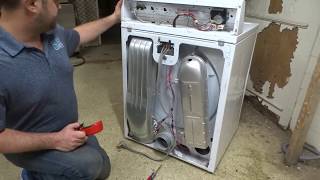
Unplug the dryer and remove the back panel to access the thermal fuse and heating element. Use a multimeter set to continuity or ohms. The thermal fuse should show continuity; if open, it needs replacement. For the heating element, check continuity across the element terminals — an open reading indicates a broken element. Also visually inspect the element coil for breaks or burn marks.
Can I replace the thermal fuse or heating element myself, and how much will it cost?
Yes — if you are comfortable with basic tools and safety (unplugging the dryer and confirming power is off), you can replace the thermal fuse or heating element yourself. Parts typically cost between $20 and $120 depending on the part and vendor. If the repair involves electrical diagnostics, a qualified technician is recommended; labor for a service call and repair typically ranges $100–$250 depending on location.
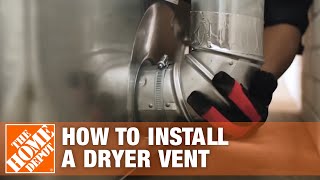
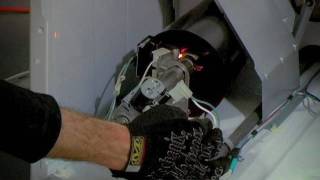
Related How-To Videos
Real DIY Repair Stories
Be the first to share your repair story!
Share Your Repair Story
Your experience helps other homeowners fix their appliances. Tell us how it went!
Can't Fix It Yourself? Find a Local Technician
It's perfectly okay to call a professional. Some repairs require specialized tools, deep teardowns, or dealing with complex systems that are better left to the pros.

Find the Right Part for Your Appliance
Don't guess — search your exact appliance model number at ProsourceParts.com to find the correct OEM compatible replacement part. They offer fast free shipping, guaranteed fit, and thousands of parts in stock.
Your Free Parts Videos
Whether your dishwasher won't drain, your dryer stopped heating, or your fridge isn't cold, we've created simple repair guides for the most common appliance problems homeowners face. Each guide explains what's going wrong, the most likely causes, and which replacement parts fix the issue. When you're ready to order, we link directly to ProsourceParts.com where you can search by model number and get the right part shipped fast.