
GE CFE29TSDCSS Refrigerator Repair Guide – Common Problems and How to Fix Them
Need the replacement part? Search your model number at for guaranteed fit and fast free shipping.
Understanding the Problem
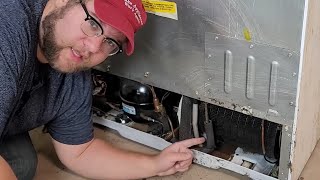
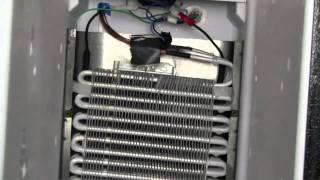
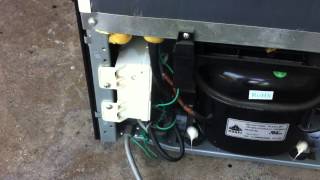
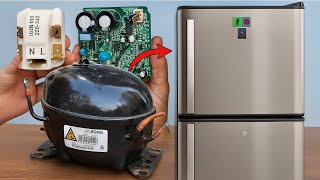
The GE CFE29TSDCSS is a French-door refrigerator that commonly shows a handful of repeat issues as it ages: not cooling properly, ice maker or water dispenser failures, unusual noises, leaks, or frost buildup. Below are focused diagnostic and repair sequences for the most common problems. Follow the numbered steps for each symptom and always cut power before doing electrical checks. 1) Refrigerator Not Cooling (fridge or freezer warmer than set temp) a. Confirm settings: Verify temperature controls (refrigerator 37°F / freezer 0°F typical). Make sure Vacation/Energy Saver modes aren't active. b. Check condenser coils: Pull unit away, unplug power, remove grille and vacuum or brush coils. Dirty coils reduce cooling performance. c. Verify condenser fan motor: With unit running, carefully observe the fan near the compressor (unplug first before accessing—then plug back in just for a running check with guard on). If fan isn’t spinning, replace it. d. Verify evaporator fan motor: Open freezer; with door closed the fan should run when compressor runs. If the freezer fan is silent while compressor runs, test for 120V or continuity and replace the fan motor if bad. e. Inspect evaporator for frost/ice: Excessive frost on the evaporator indicates a defrost failure (bad defrost heater, defrost thermostat, or defrost control). If evaporator is iced over, run a manual defrost (turn off and leave doors open or use warm water) and then test defrost components. f. Test start relay/overload on compressor: If compressor tries to start but then clicks off, the start relay/overload may be bad. Unplug, remove relay and test for continuity or replace with OEM start device. g. Check thermistors/temperature sensors: Thermistors control cycles. Test with a multimeter for expected resistance at room temp (consult tech sheet). Replace if open or out-of-spec. h. Control board or sealed system: If fans, start device, and defrost system test good but still no cooling, the control board or sealed refrigerant system (compressor, refrigerant leak) may be at fault. Sealed system repairs require an HVAC/ refrigeration tech. 2) Ice Maker Not Making Ice or Slow Ice Production a. Confirm ice maker is on and not in a harvest cycle. There is usually an ON/OFF or test cycle—see user manual. b. Check water supply: Ensure water line to the valve is open, and water pressure is adequate (~20-120 psi). Inspect inlet valve for leaks or failure. c. Replace water filter: A clogged filter reduces fill volume. Replace with GE MWF or the OEM filter recommended by GE for this model. d. Test the ice maker fill: Manually run the ice maker test (consult service sheet or manual) and observe the fill. If the ice maker motor runs but no water flows, suspect the inlet valve. e. Check ice maker module and heater: If trays are warm or ice is malformed, the ice maker assembly may be failing—replace the ice maker module/assembly. 3) Water Dispenser Not Working or Slow Flow a. Confirm filter status and replace if old. Filters should be replaced every ~6 months or when flow slows. b. Check the water inlet valve: If replaced recently or if multiple water functions fail, the inlet valve or its solenoids may be bad. c. Inspect supply line: Verify the tubing from the house to the fridge is not kinked or frozen (especially in cold basements) and the shutoff valve is open. d. Purge air after replacing filter: Dispense several gallons to clear air pockets. 4) Leaks or Water Pooling in Bottom Drawer or Floor a. Check the defrost drain: A clogged drain will overflow inside the cabinet. Access the rear inside freezer evaporator area, locate the drain trough, and clear clogs with warm water or a turkey baster. b. Inspect water inlet valve and supply line for leaks. Tighten fittings and replace cracked tubing. c. Check the drain pan under the unit for cracks and the drain pump (if equipped) for operation. 5) Loud or Unusual Noises (rattling, humming, clicking) a. Identify source: Compressor, condenser fan, evaporator fan, or water inlet valve. Run the fridge and listen closely to localize noise. b. Tighten loose panels, brackets or items on top/behind the fridge. Level the fridge using front leveling legs. c. Replace noisy fan motors or a failing compressor start relay. 6) Excess Frost or Frost Between Doors a. Inspect door seals/gaskets: Clean and press to check for gaps. Replace if torn or no longer sealing. b. Check defrost system: Repeated frost build-up points to defrost heater/thermostat/control issues—test continuity of the heater and thermostat and replace failed parts. General diagnostic tips and repair steps (applies to many checks): 1. Always unplug the refrigerator before touching electrical components or removing panels. Turn water off at the shutoff for dispenser/ice repairs. 2. Locate and read the model/serial tag (usually inside the fresh food compartment on the left wall) — it gives the exact model and the tech literature number for correct part lookup. 3. Use a multimeter to test fan motors, thermistors, defrost heaters, and inlet valve solenoids for continuity/resistance. Compare readings to the service manual values. 4. Replace suspected failed parts with OEM or high-quality aftermarket parts. For sealed system or compressor failure, contact a licensed refrigeration technician (EPA refrigerant rules apply). Safety note: Always disconnect power before servicing electrical parts. For sealed system, refrigerant handling, or compressor replacement, use a certified appliance refrigeration technician. If you’re unsure at any step, stop and get professional assistance.
Common Symptoms
Fridge or freezer too warm; ice maker not making ice; water dispenser slow/no flow; pool of water on floor; loud humming or rattling; frost build-up in freezer.
Common Causes
- Dirty condenser coils or blocked airflow
- Failed fan motors (evaporator or condenser) or start relay
- Clogged defrost drain or failed defrost system components
Popular Parts That Fix This Problem
These are the most common replacement parts that fix this problem. When you're ready to order, click below to find the right part at ProsourceParts.com — just search by your appliance model number for a guaranteed fit.

Helpful Repair Tip
To quickly confirm an evaporator-fan problem: open the freezer and press the door switch (or close the door and open so the light is off). If the compressor runs and you don’t hear airflow from the evaporator area, the evaporator fan motor is likely failed—replace the fan motor.
Frequently Asked Questions
How do I reset my GE CFE29TSDCSS refrigerator?
Most resets are done by unplugging the refrigerator for 60 seconds and plugging it back in. Some control boards have a diagnostic or reset sequence — consult the tech sheet for entering diagnostic mode. For ice maker resets, there is usually a test/harvest switch or a small push-button on the ice maker module.
How often should I change the water filter and how do I know it’s clogged?
Replace the water filter roughly every 6 months or sooner if water flow from the dispenser becomes noticeably slow or the ice maker makes smaller/less ice. A reduction in water flow, sputtering from the dispenser, or cloudy/tasted water are signs the filter needs replacement.
Related How-To Videos
Real DIY Repair Stories
Be the first to share your repair story!
Share Your Repair Story
Your experience helps other homeowners fix their appliances. Tell us how it went!
Can't Fix It Yourself? Find a Local Technician
It's perfectly okay to call a professional. Some repairs require specialized tools, deep teardowns, or dealing with complex systems that are better left to the pros.

Find the Right Part for Your Appliance
Don't guess — search your exact appliance model number at ProsourceParts.com to find the correct OEM compatible replacement part. They offer fast free shipping, guaranteed fit, and thousands of parts in stock.
Your Free Parts Videos
Whether your dishwasher won't drain, your dryer stopped heating, or your fridge isn't cold, we've created simple repair guides for the most common appliance problems homeowners face. Each guide explains what's going wrong, the most likely causes, and which replacement parts fix the issue. When you're ready to order, we link directly to ProsourceParts.com where you can search by model number and get the right part shipped fast.