
Front‑Load Washer Model 455 84 — Troubleshooting & Repair Guide
Need the replacement part? Search your model number at for guaranteed fit and fast free shipping.
Understanding the Problem
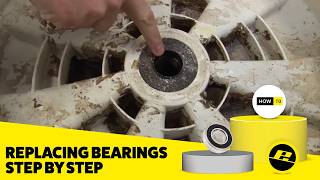
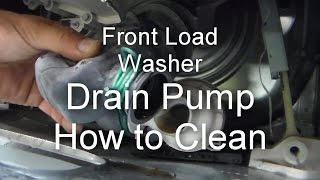
This guide covers common problems that occur in front‑load washers (model referenced as 455 84) — no drain/no spin, leaks, excessive vibration, door lock faults and foul odors — and gives step‑by‑step diagnostic and repair actions you can take. 1) Gather tools and safety prep: unplug the washer, turn off water supply, have basic tools (screwdrivers, nut drivers, pliers), a multimeter, a bucket, towels and a small flashlight. 2) Inspect error codes and run a quick self‑test: consult your machine’s user manual for diagnostics mode. Note any error codes and the cycle where the failure occurs. 3) No drain / water remains after cycle — checks and fixes: a) Check the drain hose for kinks or clogs. Remove and run water through it to confirm. b) Clean the pump filter (if accessible) — place a shallow pan under the pump access and carefully open filter cover to clear debris. c) Listen to the drain pump during a drain cycle: humming with no water flow indicates a jam or failed pump motor. d) Test the pump with a multimeter for continuity; if open or no spin, replace the drain pump. e) Inspect the pump impeller for broken fins or debris and clear or replace the pump as needed. 4) Washer won't spin or agitate properly — checks and fixes: a) Check for obstructions in the drum or foreign objects caught between drum and tub. b) Verify load balance — redistribute clothes; an unbalanced or overloaded load will prevent spin. c) Inspect the drive belt (if belt‑driven): if loose, glazed, or broken, replace the belt. d) Test the motor and motor capacitor (or inverter board on direct‑drive machines) — check for error codes and test for voltage/continuity per service manual; replace faulty motor components or control board. e) Check door lock/door switch — if the washer won’t lock or shows door error, test the door lock assembly for continuity and replace if defective. 5) Leaks — checks and fixes: a) Inspect the front door boot/gasket for tears, punctures, or a collapsed lip. Clean and visually inspect the entire circumference; replace the boot seal if damaged. b) Check detergent drawer housing and hoses (inlet hoses and internal drain hose connections) — tighten clamps and replace split hoses. c) Inspect tub-to-pump hose clamps and pump gasket for loose connections and replace damaged hoses/clamps. 6) Excessive vibration or shaking — checks and fixes: a) Ensure washer is level (adjust feet) and feet lock nuts are tightened. b) Check shock absorbers or suspension springs (depending on model) for wear and replace worn shocks or springs. c) Inspect the tub bearings by spinning the drum — loud rumbling or slop indicates failed bearings; replacing bearings and seal kit is a heavier repair (or consider professional repair). 7) Foul odor or mold in door gasket — checks and fixes: a) Clean gasket and drum with a washer‑safe cleaner or diluted bleach; pull back the boot to clean hidden debris. b) Run a hot empty wash with washing machine cleaner. c) Use proper detergent amounts and leave the door/drawer open between cycles to dry. 8) Replacement basics: obtain the correct replacement part for your exact model 455 84 (don’t rely on similar model numbers), follow step‑by‑step disassembly: remove top/back panel (unplug first), take photos of wiring and hose locations, disconnect wiring harnesses, remove faulty part, install new part, reconnect hoses/wiring, reassemble. 9) Final test: restore power and water, run a short diagnostic/spin/drain cycle while watching for leaks, noises, or error codes. Safety note: Always unplug the washer and shut off water before doing any work. If the repair requires accessing the motor, electrical control board, or replacing bearings from the rear of the tub, and you are not comfortable, call a qualified appliance technician.
Common Symptoms
Washer won’t drain or spin, water leaks from door, loud rumbling or shaking during spin, door won’t lock, persistent mildew smell inside the drum.
Common Causes
- Clogged drain hose, pump filter, or obstructed pump impeller
- Faulty drain pump, worn drive belt, or failed motor/drive electronics
- Damaged door boot seal, loose hose clamps, or worn suspension/bearings
Popular Parts That Fix This Problem
These are the most common replacement parts that fix this problem. When you're ready to order, click below to find the right part at ProsourceParts.com — just search by your appliance model number for a guaranteed fit.
Helpful Repair Tip
To confirm a bad drain pump: run the drain cycle with the access panel removed (power on, be cautious). If the pump is trying to run (you hear humming) but water doesn’t flow, the pump is likely jammed or failed — remove pump and inspect impeller and wiring, or test for continuity with a multimeter.
Frequently Asked Questions
Why does my front‑load washer smell musty even when I use detergent?
Musty odors are usually caused by trapped water and organic residue in the door boot, detergent drawer, or drain/pump area. Clean the gasket fold and drawer with a mild bleach solution or a commercial washer cleaner, run a hot cleaning cycle, use the correct amount of HE detergent, and leave the door and detergent drawer open after use to allow drying. If odors persist, check and clean the pump filter and drain lines.
Can I replace the door boot (gasket) myself, and how hard is it?
Yes — replacing a door boot is a common DIY repair if you’re comfortable with moderate disassembly. Basic steps: unplug washer and turn off water, remove the outer door trim or retaining spring (note its orientation), peel the old boot off the tub and front panel, clean the mounting surfaces, fit the new boot and secure it with the retaining clamp/spring, reassemble trim, reconnect any sensors or wiring removed, and test for leaks. Take photos during disassembly to help with reassembly. If the clamp is a difficult spring‑type, use proper tools and caution; if bearings or the inner tub must be removed, that raises the difficulty and you may want professional help.
Related How-To Videos
Real DIY Repair Stories
Be the first to share your repair story!
Share Your Repair Story
Your experience helps other homeowners fix their appliances. Tell us how it went!
Can't Fix It Yourself? Find a Local Technician
It's perfectly okay to call a professional. Some repairs require specialized tools, deep teardowns, or dealing with complex systems that are better left to the pros.
Find the Right Part for Your Appliance
Don't guess — search your exact appliance model number at ProsourceParts.com to find the correct OEM compatible replacement part. They offer fast free shipping, guaranteed fit, and thousands of parts in stock.
Your Free Parts Videos
Whether your dishwasher won't drain, your dryer stopped heating, or your fridge isn't cold, we've created simple repair guides for the most common appliance problems homeowners face. Each guide explains what's going wrong, the most likely causes, and which replacement parts fix the issue. When you're ready to order, we link directly to ProsourceParts.com where you can search by model number and get the right part shipped fast.