
Front‑Load Washer: What Does '455 84' Mean and How to Diagnose Common Problems
Need the replacement part? Search your model number at for guaranteed fit and fast free shipping.
Understanding the Problem
You typed “455 84 front load” — that looks like a partial model, production batch, or a code stamped on a front‑load washer. Before you can order the right part or follow a repair guide, you need to identify exactly what that number refers to and then diagnose the symptom you're seeing. Follow these steps to identify the machine and perform basic front‑load washer diagnostics and repairs: 1) Locate the model and serial tag - Where to look: open the washer door and check the inner door frame, look on the back of the appliance, behind the detergent drawer, or on the side of the unit. The tag will usually say “Model” or “M/N” and “S/N” or “Serial.” - Why: the exact model number is required to look up error code lists, parts, and wiring diagrams. 2) Interpret the number you found (455 or 84) - If it appears on the tag as part of a longer model number, copy the full model exactly and search the manufacturer’s site or Google. - If it’s displayed on the control panel or blinking as an error, note the pattern (e.g., F455, 4‑5‑5, 84) and check the manual’s error code section. Many codes are brand‑specific. 3) Confirm the symptom you’re seeing (choose and follow the relevant section) A. Washer won’t start or door won’t lock - Check power: plug, breaker, outlet (test with a lamp). - Check door/lid lock: listen for a click when cycle starts. If no click, door lock assembly may be faulty. Test for ~12–24 V at the lock with a multimeter (only if you are comfortable and the machine is powered) or bypass for a quick test only as a diagnostic step. - Inspect control panel and selector switch for damage. B. Washer won’t drain or spin - Remove any visible obstructions from the trap/coin pocket (many front‑loads have an access panel with a small drain hose and filter). Drain residual water into a pan. - Check the drain hose for kinks and correct height (should be 24–40” from floor depending on model). - Test the drain pump: listen for the pump running during drain; if it hums or is silent when it should run, suspect pump or jam. Remove pump and check impeller for debris. C. Washer leaks - Inspect the door boot (gasket) for tears, soap scum channels, or trapped objects. Replace boot if torn. - Inspect detergent drawer, internal hoses, door latch, and drain pump seal. D. Excessive vibration or loud noise - Check load balance and level the washer. Inspect shock absorbers/dampers and suspension springs on front‑loaders. Listen for bearing noise — a grinding or rumbling that changes with drum rotation usually indicates worn drum bearings or a failed tub seal. 4) Basic replacement/repair steps (common quick fixes) - Replace drain pump (generic steps): unplug washer, access pump via front lower access panel or by tilting unit if necessary, disconnect hoses and electrical connector, remove mounting screws/clips, install new pump, reattach hoses, test run. - Replace door boot: open door, remove retaining band/clamp, pull boot off tub flange, remove inner clamp, align and press new boot onto tub and door frame, secure clamps, test for leaks with a short spin/drain cycle. - Replace door lock assembly: unplug washer, remove top or front panel to access lock, disconnect wiring, remove screws, install new lock, reconnect wiring, test cycle. - Check/replace shock absorbers: support drum, unbolt lower shock(s) from tub and frame, install new shocks. 5) If the number is an error code and you can’t find a manual - Note the exact display and behavior (steady vs blinking lights, beeps, stage at which code appears). Take a photo and search “(brand) front load error (code)” with the model number. If no results, contact manufacturer support with model/serial. Safety note: Always unplug the washer or turn off the breaker before removing panels or accessing wiring. Drain water into a bucket before removing pump or opening wet components. If you are not comfortable with electrical testing or heavy disassembly, contact a qualified appliance technician.
Common Symptoms
User sees '455' or '84' referenced and has a front‑load washer with common issues such as: won’t start/door won’t lock, won’t drain or spin, leaks, loud noise or excessive vibration, or unexplained error codes.
Common Causes
- The numbers are part of the model/production code and not an error — you need the full model number to find the answer.
- A failed or obstructed drain pump, clogged trap, or kinked hose causing no‑drain/no‑spin symptoms.
- Door boot, door lock, or seals failing and causing leaks or the door not to lock.
Popular Parts That Fix This Problem
These are the most common replacement parts that fix this problem. When you're ready to order, click below to find the right part at ProsourceParts.com — just search by your appliance model number for a guaranteed fit.

Helpful Repair Tip
Find the full model number on the metal tag (inside the door frame, back, or under the detergent drawer). If '455' or '84' is only a partial number, use the entire model number to look up parts and error codes — if you need help, send a photo of the tag and the control display.
Frequently Asked Questions
How do I know if '455' or '84' is a model number or an error code?
Check the washer’s model/serial tag first — that tag usually contains the official model number. If the digits appear on the control panel during operation (often accompanied by blinking lights or a specific pattern), they’re more likely an error code. Compare the code and model to the manufacturer’s manual or support site. If in doubt, take a clear photo of the tag and the display and search or contact support.
My front‑load washer won’t drain — how can I quickly check if the pump is bad?
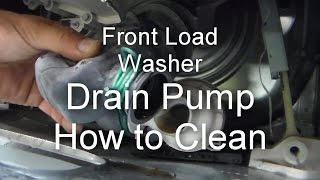
Start by unplugging the washer and draining any water through the small emergency drain hose or by removing the lower access panel and opening the pump filter. Inspect the filter/trap area for coins, hair, or debris. With power restored (and only if you are comfortable), run a drain cycle and listen: a working pump makes a humming/whirring sound; a silent pump or one that hums but doesn’t move water usually needs replacement. If the pump is jammed, remove it and check the impeller for trapped objects before replacing.
Related How-To Videos
Real DIY Repair Stories
Be the first to share your repair story!
Share Your Repair Story
Your experience helps other homeowners fix their appliances. Tell us how it went!
Can't Fix It Yourself? Find a Local Technician
It's perfectly okay to call a professional. Some repairs require specialized tools, deep teardowns, or dealing with complex systems that are better left to the pros.

Find the Right Part for Your Appliance
Don't guess — search your exact appliance model number at ProsourceParts.com to find the correct OEM compatible replacement part. They offer fast free shipping, guaranteed fit, and thousands of parts in stock.
Your Free Parts Videos
Whether your dishwasher won't drain, your dryer stopped heating, or your fridge isn't cold, we've created simple repair guides for the most common appliance problems homeowners face. Each guide explains what's going wrong, the most likely causes, and which replacement parts fix the issue. When you're ready to order, we link directly to ProsourceParts.com where you can search by model number and get the right part shipped fast.