
Frigidaire FRT13CRAW1 — Common Problems, Diagnostics & How to Fix Them
Need the replacement part? Search your model number at for guaranteed fit and fast free shipping.
Understanding the Problem
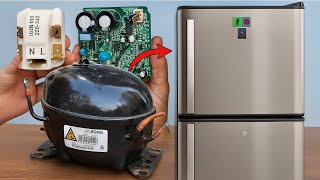
The FRT13CRAW1 (a Frigidaire top-freezer refrigerator) commonly shows a handful of repeat issues as it ages: poor cooling in the fresh-food compartment, excessive frost/ice buildup in the freezer, water leaking inside or onto the floor, and loud/continuous running. Below are step-by-step diagnostics and practical repair steps to find and fix the real cause. 1) Confirm the symptom and basic checks a. Verify the appliance has power and is plugged in. Check the circuit breaker/fuse. Ensure the temperature controls are set to manufacturer-recommended settings (usually around 37°F fresh-food / 0°F freezer). b. Listen for the compressor running (low hum) and look for frost pattern in the freezer: is frost covering the entire evaporator coil or only patches? 2) When the refrigerator isn't cooling (warm fridge, cold or not cold freezer) a. Clean condenser coils — unplug the refrigerator, pull it away and use a brush/vacuum to remove lint and dust from the coils and the condenser fan area. Re-test cooling. b. Check evaporator fan (freezer fan) — open the freezer and with the door closed (and door switch actuated) power on the unit. If the compressor runs but the evaporator fan is not running, the fresh-food compartment won't get cold. Replace the evaporator fan motor if dead or noisy. c. Check condenser fan (if present) — with the unit running, ensure the fan near the compressor spins freely. Replace if seized. d. Test the start relay/overload on the compressor — if the compressor is clicking on and off or not running, remove the start relay and listen for a rattle (bad) and/or test for continuity with a multimeter. A failed start relay or overload commonly prevents the compressor from running. e. If compressor runs but cooling is poor and coils show heavy frost, suspect a defrost failure (see step 4). If compressor never runs even with a good relay, compressor or control board may be at fault — consider professional diagnosis. 3) Excessive frost or iced-over evaporator coil (freezer frost, poor airflow) a. Symptoms: heavy frost across the evaporator coil, freezer very cold but fresh-food warm. b. Check defrost system: locate defrost heater on the evaporator, defrost thermostat (bimetal), and defrost control or timer. With power off and evaporator accessible, use a multimeter to test continuity of the defrost heater and defrost thermostat. If either is open, replace that component. c. If those components test good, the defrost control or main board may not be initiating defrost — replace the defrost timer or board (verify by advancing the defrost timer into a defrost cycle and checking heater operation). d. After repairing defrost components, manually defrost the unit (unplug or leave door open with towels until ice melts), clear the drain, and test. 4) Water pooling or leaking inside / under refrigerator a. Common cause: blocked or frozen defrost drain in the freezer evaporator drain trough. Remove food, warm the freezer and pour warm (not boiling) water into the drain to clear clogs. Use a thin flexible brush or turkey baster to clear debris. b. Check drain pan underneath for cracks and ensure pan sits correctly. Replace if damaged. 5) Noisy operation (rattling, loud hum, click) a. Rattles: tighten or re-seat panels, check plastic parts and mountings. b. Compressor clicking then silence: likely start relay/overload failing. Replace relay/overload kit. c. Continuous loud fan noise: replace noisy evaporator or condenser fan motor. 6) Door gasket and temperature control issues a. Inspect door seals for gaps, tears, or dirt. Clean with mild soap and water; replace the gasket if it doesn't seal (use the model number when ordering). b. Verify thermostat/digital control operation — if control isn't responding or holds wrong temperature, test and replace the thermostat or electronic control board as needed. Practical repair steps (examples): - Replace evaporator fan motor: 1. Unplug refrigerator, remove freezer shelf and rear evaporator cover. 2. Disconnect fan motor wiring harness, remove mounting screws, swap in new motor, reassemble. - Replace start relay/overload: 1. Unplug, locate relay mounted on compressor, remove cover and pull relay off compressor pins. 2. Install replacement relay/overload kit on compressor, secure cover, restore power and verify compressor runs. - Clear defrost drain: 1. Remove drawers and freezer shelving to access drain trough. 2. Pour warm water into the drain hole to remove ice and flush debris. Use a flexible brush or pipe cleaner if required. Safety note: Always unplug the refrigerator before accessing electrical components or the compressor. Use insulated tools when testing with a multimeter. If you are not comfortable working with sealed system components (compressor or refrigerant circuit), call a certified appliance technician — compressor and refrigerant repairs require special tools and certification.
Common Symptoms
Fridge not cooling; freezer frosting over; water pooling inside or on floor; loud humming or clicking; doors not sealing.
Common Causes
- Dirty condenser coils or blocked airflow around condenser
- Failed evaporator fan or condenser fan motor
- Defrost system failure (heater, thermostat, or control) causing frost build-up
Popular Parts That Fix This Problem
These are the most common replacement parts that fix this problem. When you're ready to order, click below to find the right part at ProsourceParts.com — just search by your appliance model number for a guaranteed fit.

Helpful Repair Tip
If the compressor clicks repeatedly but the fridge doesn't cool, the start relay/overload is the most likely faulty part — remove and test/replace it first.
Frequently Asked Questions
How do I find the exact replacement part numbers for my FRT13CRAW1?
Locate the refrigerator's model and serial tag (usually inside the fresh-food compartment on the wall or ceiling). Use those numbers on the Frigidaire parts site or reputable parts suppliers (AppliancePartsPros, RepairClinic) to find exact OEM part numbers. If uncertain, capture a photo of the tag and the component and confirm with the parts seller.
Is it worth repairing an older FRT13CRAW1 or should I replace the fridge?
Consider repair if the issue is an inexpensive replaceable part (fan motor, relay, defrost heater, gasket) — these are typically cost-effective. If the compressor or sealed refrigerant system needs repair, costs can be high and replacement may be more economical. Compare repair estimate to the value of a new unit (and consider energy savings of new models) before deciding.
Related How-To Videos

Real DIY Repair Stories
Be the first to share your repair story!
Share Your Repair Story
Your experience helps other homeowners fix their appliances. Tell us how it went!
Can't Fix It Yourself? Find a Local Technician
It's perfectly okay to call a professional. Some repairs require specialized tools, deep teardowns, or dealing with complex systems that are better left to the pros.

Find the Right Part for Your Appliance
Don't guess — search your exact appliance model number at ProsourceParts.com to find the correct OEM compatible replacement part. They offer fast free shipping, guaranteed fit, and thousands of parts in stock.
Your Free Parts Videos
Whether your dishwasher won't drain, your dryer stopped heating, or your fridge isn't cold, we've created simple repair guides for the most common appliance problems homeowners face. Each guide explains what's going wrong, the most likely causes, and which replacement parts fix the issue. When you're ready to order, we link directly to ProsourceParts.com where you can search by model number and get the right part shipped fast.