
Frigidaire FFLE1011MW1 Chest Freezer Troubleshooting – Parts, Causes & How to Fix It
Need the replacement part? Search your model number at for guaranteed fit and fast free shipping.
Understanding the Problem
Overview: The Frigidaire FFLE1011MW1 is a chest-style freezer that commonly shows issues such as not cooling, running constantly, excessive frost buildup, water leaks, or unusual noises. Below are practical diagnostic and repair steps you can follow to identify and fix the most common problems. 1) Initial checks (quick, high-value steps) 1. Unplug the freezer for your safety before opening panels. Confirm power: verify the cord is plugged in and the outlet has 120V with a plug-in tester or multimeter. Reset tripped breakers. 2. Check temperature control: ensure the thermostat knob is set to a mid-to-cold setting (usually around 2–4 or recommended factory setting). If your freezer has no digital readout, use an appliance thermometer placed in the middle for an hour to verify actual temperature. 3. Confirm airflow & loading: remove items blocking air paths or packing that prevents the lid from sealing. 2) If freezer is not cooling or not cold enough 1. Listen: put your ear against the unit. Do you hear the compressor humming? Is there a fan running? No sound may indicate a power or start relay problem. 2. Access the compressor area: unplug, pull unit away from wall, remove rear/underside access panel. Visually inspect for burned connectors, oil stains (possible refrigerant leak) and excessive frost on the evaporator.\n 3. Test/start relay and overload: remove the start relay from the compressor. Inspect for burn marks or a burnt smell. Use a multimeter to check continuity between the relay terminals (consult relay label for pins). A dead relay or one that clicks repeatedly while the compressor doesn't run should be replaced. 4. Test the compressor: with the unit plugged in and the rear panel off, carefully (and only if comfortable doing so) listen when the thermostat calls for cooling. If the compressor tries to start and clicks off quickly, start relay/overload is likely. If compressor is silent, no power is getting to it—check thermostat and wiring. If compressor runs but no cooling and evaporator is warm, suspect sealed-system failure (refrigerant leak) which requires certified HVAC/Appliance tech. 5. How to fix: replace faulty start relay/overload (see parts list). If the sealed system is leaking, hire a certified refrigerant technician – sealed system repairs require vacuum, recharge, and brazing tools. 3) If freezer runs continuously or cycles frequently 1. Check door gasket: inspect for gaps, cracks, or compression set. Use a dollar-bill test—close the lid on a bill at multiple points; if it slides out easily, the seal is weak. Replace gasket if leaking. 2. Check thermostat/thermistor: if the thermostat does not open/close or the thermistor reads open/shorted on a meter, replace it. 3. Clean condenser area: pull the unit away, vacuum dust from condenser coils (if exposed) and compressor area—restricted airflow causes longer run times. 4) Excessive frost buildup 1. Cause check: frequently caused by a leaking gasket, leaving the lid open, or defrost drain/clog problems. 2. Fix: defrost manually (unplug and place containers to catch melt). Clean and dry interior. Replace gasket if damaged. Clear the drain tube with warm water and a length of flexible tubing or pipe cleaner. 5) Water pooling or leaking 1. Check interior drain and drain pan: clear clogs from the defrost/drain outlet. Ensure the drain pan under the unit is seated and not cracked. 2. If ice is melting repeatedly due to warm temps or frequent door openings, address cooling or seal issues. 6) Noisy operation (fan, rattles, loud compressor) 1. Identify source: run the unit and listen—fan noise usually comes from the evaporator or condenser fan; rattles may be loose panels or items on top. 2. If fan is worn, remove and test by powering briefly (unplug first, then reconnect power only to the fan circuit if you know what you're doing) or simply replace the fan motor if wobble or grinding is evident. 7) When to call a pro - Sealed system (compressor, refrigerant lines, evaporator) failures, leaks, or if you see oil on components. - Any repair requiring refrigerant recovery, brazing, or vacuum pumps. Safety note: Always unplug the freezer before inspecting or replacing electrical parts. Do not attempt to handle refrigerant or sealed-system repairs yourself—federal/state laws typically require EPA-certified technicians for refrigerant work. Wear gloves and eye protection when handling sharp sheet metal or evaporator fins.
Common Symptoms
Not cooling or weak cooling; runs constantly; excessive frost inside; water pooling; loud humming or grinding noises.
Common Causes
- Failed start relay or overload preventing compressor from starting
- Leaking or failed sealed refrigeration system (loss of refrigerant)
- Damaged door gasket or blocked drain causing frost/warm air infiltration
Popular Parts That Fix This Problem
These are the most common replacement parts that fix this problem. When you're ready to order, click below to find the right part at ProsourceParts.com — just search by your appliance model number for a guaranteed fit.

Helpful Repair Tip
To confirm a bad start relay: unplug the freezer, remove the relay from the compressor, and shake it—if you hear loose parts or burning smell/visible scorch marks, replace it. A continuity test across relay terminals that shows open when it should be closed also confirms failure.
Frequently Asked Questions
How do I find the model and serial number for my FFLE1011MW1?
The model and serial number tag is usually located on the back of the unit, on the underside, or inside the cabinet behind the liner. Pull the freezer away from the wall and look on the rear panel or underside. Record both numbers before ordering parts.
Can I replace parts like the relay or gasket myself?
Yes—electrical parts like the start relay, thermostat, fan motors, and gaskets can often be replaced by a handy homeowner with basic tools. Always unplug the unit before working on it. Do NOT attempt sealed-system or refrigerant repairs; those require an EPA-certified technician and special equipment.
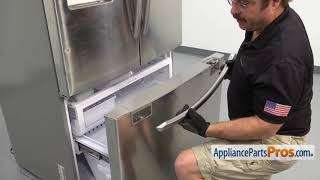
Related How-To Videos


Real DIY Repair Stories
Be the first to share your repair story!
Share Your Repair Story
Your experience helps other homeowners fix their appliances. Tell us how it went!
Can't Fix It Yourself? Find a Local Technician
It's perfectly okay to call a professional. Some repairs require specialized tools, deep teardowns, or dealing with complex systems that are better left to the pros.

Find the Right Part for Your Appliance
Don't guess — search your exact appliance model number at ProsourceParts.com to find the correct OEM compatible replacement part. They offer fast free shipping, guaranteed fit, and thousands of parts in stock.
Your Free Parts Videos
Whether your dishwasher won't drain, your dryer stopped heating, or your fridge isn't cold, we've created simple repair guides for the most common appliance problems homeowners face. Each guide explains what's going wrong, the most likely causes, and which replacement parts fix the issue. When you're ready to order, we link directly to ProsourceParts.com where you can search by model number and get the right part shipped fast.