
Frigidaire FFHB2750TD6 Refrigerator – Common Problems and How to Fix Them
Need the replacement part? Search your model number at for guaranteed fit and fast free shipping.
Understanding the Problem
The Frigidaire FFHB2750TD6 is a household refrigerator that commonly presents a handful of repeatable issues: not cooling or partly cooling, excessive frost/ice in the freezer, water leaks/drain blockages, noisy fans or compressor, and ice-maker/water-supply failures. Below are practical diagnostic steps and repair actions to pinpoint and fix these faults. 1) Basic checks (start here) - Verify power: confirm the unit is plugged in and the outlet is live. Reset any tripped GFCI or circuit breaker. - Check the temperature settings: fridge ~37°F (3°C), freezer ~0°F (-18°C). - Listen: does the compressor run (low steady hum)? Are fans running? 2) If the fridge is warm but compressor and fans run - Clean condenser coils: remove kick plate, brush and vacuum coils and surrounding area. Dirty coils reduce cooling efficiency. - Check condenser fan: with power on and door panels removed, confirm the condenser fan spins freely. If noisy or not spinning, replace the condenser fan motor. - Check airflow inside: ensure vents between freezer and fridge aren’t blocked by food. Restricted airflow causes poor fridge temps. 3) If freezer is cold but fridge is warm - Evaporator fan test: open freezer door — the evaporator fan should run when the door is closed (some models stop when door is open). With the compressor running, listen near evaporator area or place your finger to feel airflow in the vent. If no airflow, replace evaporator fan motor. - Damaged damper/air shutter: inspect the damper that sends cold air to the fridge compartment. If stuck or broken, replace the damper assembly. 4) If freezer has frost/ice buildup or fridge cycles excessively - Test defrost system: locate defrost heater, thermostat/thermistor and control board. Run a manual defrost (power off and let unit thaw) — if unit cools normally afterward but frost returns, the defrost heater, defrost thermostat or defrost control (timer/board) is likely faulty. Use a multimeter to check continuity of the defrost heater and thermostat; replace failed parts. - Check drain and drain pan: defrost drain can clog with ice/food; clear the drain with warm water or a flexible tube and ensure the drain heater (if equipped) works. 5) If compressor hums/clicks and will not run - Test start relay and overload: unplug refrigerator, locate compressor start relay and overload on the compressor, swap with a known-good relay (if available) or test with a multimeter. A failed start relay/overload or a seized compressor requires replacement (compressor failure usually needs a certified tech). 6) Water leaking inside or puddling on floor - Clear the drain: most leaks are caused by a clogged defrost drain. Thaw and clear the drain path; use warm water and a turkey baster or compressed air to flush. - Inspect water inlet valve (for ice maker/water dispenser): if leaking or not closing fully, replace the valve. - Check door gasket: torn or compressed gasket causes condensation/ice buildup; replace the gasket to restore a good seal. 7) Ice maker not making ice or slow fill - Confirm water supply: check the shutoff valve to the fridge and the water pressure. If low pressure, correct the supply line issue. - Test water inlet valve: with the ice-maker calling for water, the inlet valve should open and allow water; if not, replace the valve. - Inspect ice maker module: check for power to the ice maker and proper cycle; replace the ice maker assembly if it won’t cycle or harvest. 8) Noisy operation (rattles, buzzing, clicking) - Identify source: isolate sound to condenser/compressor, evaporator or water valve. Tighten loose panels and brackets. - Replace failing fan motors: evaporator and condenser fans are common noisy culprits. Lubrication is rarely a long-term fix. Practical repair steps (examples) - Replace evaporator fan motor: unplug fridge, remove freezer rear panel to access evaporator fan, disconnect connector, remove mounting screws, swap motor, reassemble. - Replace condenser fan motor: unplug fridge, remove lower access panel, remove fan blade (note position), disconnect motor wiring, swap with new motor, reinstall blade, and test. - Clear defrost drain: unplug fridge, remove internal panels to access drain trough, pour hot (not boiling) water to clear ice and flush with a flexible tube or compressed air. - Replace start relay: unplug unit, locate relay on side of compressor, remove old relay and overload, install new assembly, test start-up. When to call a pro - Sealed system (compressor/tubing) repairs or refrigerant work require EPA-certified technicians. - If you find compressor locked up or evidence of oil leakage, stop and contact a refrigeration specialist. Safety note: Always unplug the refrigerator or switch off the circuit breaker before opening panels or testing wiring. Use insulated tools and a multimeter rated for household voltage. Wear gloves and eye protection when handling sharp sheet metal and when clearing ice or sludge.
Common Symptoms
Not cooling in refrigerator compartment while freezer is cold, excessive frost buildup, water pooled under crisper, loud fan or compressor noise, ice maker not filling or dispensing.
Common Causes
- Dirty condenser coils or failed condenser fan reducing heat dissipation
- Failed evaporator fan or blocked airflow between freezer and fridge
- Defrost system failure (heater, thermostat or control) causing frost buildup
- Faulty thermistor or main control board giving incorrect temperature control
- Clogged defrost drain or defective water inlet valve causing leaks and ice-maker failures
Popular Parts That Fix This Problem
These are the most common replacement parts that fix this problem. When you're ready to order, click below to find the right part at ProsourceParts.com — just search by your appliance model number for a guaranteed fit.

Helpful Repair Tip
To quickly confirm a cooling-circulation issue, put your hand over the freezer-to-fridge vent with the compressor running: if little or no cold airflow is present, suspect the evaporator fan, damper, or blocked vents/airflow rather than the compressor.
Frequently Asked Questions
My FFHB2750TD6 runs but the refrigerator section is warm while the freezer is cold. What should I check first?
Start with airflow: check that vents between the freezer and fridge are not blocked by food. Next, verify the evaporator fan is running when the compressor is on — if it’s not, replace the evaporator fan motor. If airflow and fan are fine, inspect the damper/air shutter that controls cold-air flow to the fridge and the temperature sensors (thermistors).
The ice maker stopped making ice. Is the ice maker or the water valve usually at fault?
Both are common. First confirm there’s a water supply to the valve and adequate water pressure. Then listen for the valve clicking when the ice maker calls for water. If the valve clicks but no water flows, the valve is likely clogged or faulty. If the valve doesn’t actuate, test for 120V at the valve during a fill cycle and check the ice maker control module for power—replace the defective component. Also inspect the inlet filter/line for kinks or blockages.
Related How-To Videos
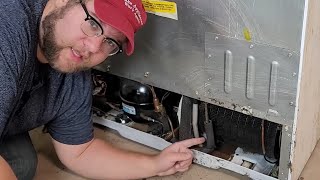
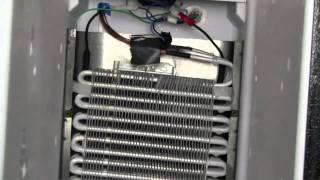
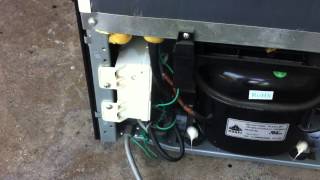
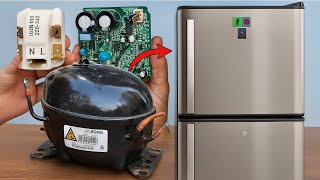

Real DIY Repair Stories
Be the first to share your repair story!
Share Your Repair Story
Your experience helps other homeowners fix their appliances. Tell us how it went!
Can't Fix It Yourself? Find a Local Technician
It's perfectly okay to call a professional. Some repairs require specialized tools, deep teardowns, or dealing with complex systems that are better left to the pros.

Find the Right Part for Your Appliance
Don't guess — search your exact appliance model number at ProsourceParts.com to find the correct OEM compatible replacement part. They offer fast free shipping, guaranteed fit, and thousands of parts in stock.
Your Free Parts Videos
Whether your dishwasher won't drain, your dryer stopped heating, or your fridge isn't cold, we've created simple repair guides for the most common appliance problems homeowners face. Each guide explains what's going wrong, the most likely causes, and which replacement parts fix the issue. When you're ready to order, we link directly to ProsourceParts.com where you can search by model number and get the right part shipped fast.