
Fridge Water Valve — What Fixes No Water to Dispenser or Ice Maker
Need the replacement part? Search your model number at for guaranteed fit and fast free shipping.
Understanding the Problem
What the fridge water valve is and why it matters: The refrigerator water inlet (solenoid) valve controls water flow from your house supply to the ice maker and dispenser. When it fails you’ll get no water, low flow, or leaks. Step-by-step diagnostics and repair: 1) Confirm symptoms: Verify whether the problem affects only the dispenser, only the ice maker, or both. Check for visible leaks around the back of the fridge and under the unit. 2) Check basic supply first: - Ensure the cold-water shutoff valve at the wall is fully open. - Inspect the water line for kinks or damage. - If the fridge has an inline filter, replace it or bypass it briefly to rule out a clogged filter. 3) Test dispenser and ice maker operation: Activate the dispenser and listen for an electrical click at the valve. If you hear a click, solenoids are being energized but valve may be clogged or failed mechanically. 4) Access and visual inspection: - Unplug the fridge and shut off the water supply. - Move the fridge out and remove the lower rear access panel to expose the water inlet valve. - Check for water leaks at the valve fittings and cracked plastic body (common failure point on older valves). 5) Electrical checks (with appliance plugged in and water turned off if testing voltage; follow safety instructions): - With the dispenser or ice-maker call activated (or by manually actuating the ice maker), use a multimeter to check for ~120 VAC (or specified voltage) at the valve solenoid connectors. No voltage means the problem may be in wiring, dispenser switch, or control board. - With power off, check coil continuity with a multimeter. An open coil (infinite ohms) indicates a bad solenoid and valve replacement is required. 6) Replace the valve if faulty: - Turn off water supply and unplug fridge. - Disconnect water lines (have towels and bucket ready) — most valves use compression fittings or quick-connects. - Unplug wire harness to the valve solenoids and remove mounting screws. - Install the new valve (match inlet/outlet ports), tighten fittings, reconnect wiring, restore water, and check for leaks. - Plug fridge back in and test dispenser and ice maker operation. 7) Verify final operation: Check flow rate, make a few trial dispenses, and confirm ice maker cycles and produces ice normally. Safety note: Always unplug the refrigerator before working on electrical components and shut off water before disconnecting any water lines. If you’re uncomfortable working with electricity or water fittings, hire a qualified technician.
Common Symptoms
No water from dispenser or ice maker, weak/slow flow, water leaking at the back of fridge, or intermittent dispensing.
Common Causes
- Failed solenoid coil (electrical failure) preventing valve opening
- Clogged inlet screen or debris inside the valve preventing flow
- Cracked plastic body or internal seal failure causing leaks
Popular Parts That Fix This Problem
These are the most common replacement parts that fix this problem. When you're ready to order, click below to find the right part at ProsourceParts.com — just search by your appliance model number for a guaranteed fit.

Helpful Repair Tip
Listen for a faint click when activating the dispenser. If you hear a click but no water flows, the valve is likely mechanically clogged or weak; if you hear nothing, check for voltage to the valve before replacing it.
Frequently Asked Questions
How do I know if the water valve is bad or the problem is my water supply?
Start by confirming the household shutoff valve is open and the water line to the fridge isn’t kinked. Bypass or replace the fridge water filter to rule out clogging. If supply is good and you hear the valve click but get no water, or the valve has an open coil on a multimeter, the valve is bad. If there’s no click, check for voltage to the valve first — if voltage is present but valve is closed, replace the valve.
Can I replace the fridge water valve myself and how long does it take?
Yes — replacing the valve is a common DIY job that takes about 30–60 minutes for a typical homeowner with basic tools. Turn off and drain the water, unplug the fridge, remove the rear access panel, disconnect water lines and electrical connectors, swap the valve, then reattach lines, turn water back on and check for leaks. If you’re not comfortable with electrical tests or compression fittings, hire a technician.
Related How-To Videos
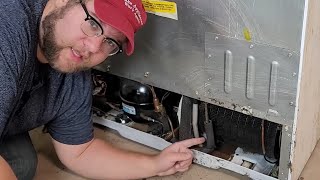
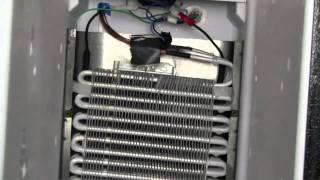

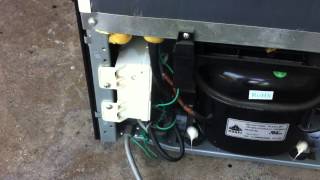
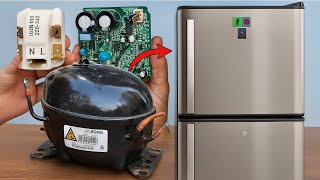


Real DIY Repair Stories
Be the first to share your repair story!
Share Your Repair Story
Your experience helps other homeowners fix their appliances. Tell us how it went!
Can't Fix It Yourself? Find a Local Technician
It's perfectly okay to call a professional. Some repairs require specialized tools, deep teardowns, or dealing with complex systems that are better left to the pros.

Find the Right Part for Your Appliance
Don't guess — search your exact appliance model number at ProsourceParts.com to find the correct OEM compatible replacement part. They offer fast free shipping, guaranteed fit, and thousands of parts in stock.
Your Free Parts Videos
Whether your dishwasher won't drain, your dryer stopped heating, or your fridge isn't cold, we've created simple repair guides for the most common appliance problems homeowners face. Each guide explains what's going wrong, the most likely causes, and which replacement parts fix the issue. When you're ready to order, we link directly to ProsourceParts.com where you can search by model number and get the right part shipped fast.