
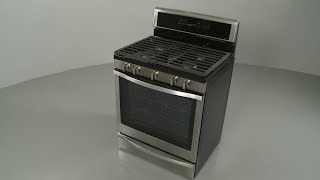
FGGF3036TFE Oven Not Heating – What Part Fixes This Problem?
Need the replacement part? Search your model number at for guaranteed fit and fast free shipping.
Understanding the Problem
Brief explanation: The most common cause of a gas oven (like the Frigidaire FGGF3036TFE) that won’t heat or takes very long to reach temperature is a failing oven igniter (glowbar). The igniter must draw enough current and get hot enough to open the gas safety valve; if it glows weakly or not at all, the valve won’t open and the oven won’t light. Other causes include a bad oven temperature sensor, a failed gas safety valve, problems with the control board or wiring, and lack of gas supply. Step-by-step diagnostic & repair steps: 1) Verify symptoms and basic checks: - Confirm the symptom: oven won’t light, long preheat time (20+ minutes), or you hear clicking but no glow/burn. Note whether the stovetop burners work (which verifies house gas supply). - Check for gas smell. If you smell gas strongly, stop, ventilate, shut off gas at the appliance or house valve, and call the gas company or a pro. 2) Observe the igniter during a bake cycle: - Start a bake cycle and open the oven door briefly to view the igniter through the oven interior. The igniter should begin to glow bright orange within 30–60 seconds. If it never glows or glows very dim, it’s suspect. 3) Perform a visual/electrical check of the igniter: - Disconnect power to the range (unplug or shut off breaker) and then access the igniter (remove oven racks and bottom panel to reach the igniter assembly). - Inspect for cracks, physical damage, or broken wires at the igniter. - If you have a multimeter set to continuity/ohms, check the igniter for continuity. Some igniters have low resistance when cold; a completely open circuit indicates a failed igniter. 4) Amp-draw test (best diagnostic): - Reconnect power, carefully clamp an AC ammeter around the igniter lead (or measure at the igniter connector) and start a bake cycle. A healthy hot surface igniter commonly draws roughly 2–3.5 amps when operating (exact value varies by model). If amp draw is significantly lower or zero while it glows dim or not at all, the igniter is weak and should be replaced. (If you’re not comfortable using a clamp meter, skip this test and rely on glow and continuity checks.) 5) Check the oven temperature sensor and control board if the igniter appears OK: - Use a multimeter to measure the sensor’s resistance (sensor located on the rear wall of the oven). At room temperature (~75°F) you should typically read around 1000–1100 ohms for many Frigidaire sensors — consult spec for exact value. An open or wildly out-of-spec reading means replace the sensor. - If igniter and sensor test OK but oven still won’t light, the oven control board or gas safety valve wiring may be faulty. Check for burnt connectors or failed relays on the control board. 6) Replace the igniter (common repair): - Turn off power to the range and shut off the gas supply at the appliance valve. - Remove oven racks, bottom panel, and unscrew the igniter mounting screws. Carefully disconnect the igniter wire connector at its plug (it may be behind the oven’s back panel on some models). - Install the new igniter (handle by the ceramic base, avoid touching the glass/glow portion), reconnect wiring, reassemble panels and racks, restore gas and power, and test bake. 7) If replacing the igniter doesn’t fix it: - Test/replace the gas safety valve (requires gas-line access — may be best for a qualified tech), or check the oven control board and wiring harness for faults. Safety note: Working on gas and electrical components is hazardous. Always disconnect electrical power and shut off gas before opening the appliance. If you have any doubt about handling gas valves, the gas supply, or performing live electrical tests, hire a qualified appliance technician.
Common Symptoms
Oven won’t light or reach temperature; very long preheat times; igniter glows weakly or not at all; house burners work but oven does not; occasional clicking with no flame.
Common Causes
- Failed or weak oven igniter (most common)
- Faulty oven temperature sensor sending incorrect temp reading
- Gas safety/valve not opening (valve failure or not getting enough current from igniter)
- Wiring, connector, or control board/relay failure
- No/low gas supply to the appliance
Popular Parts That Fix This Problem
These are the most common replacement parts that fix this problem. When you're ready to order, click below to find the right part at ProsourceParts.com — just search by your appliance model number for a guaranteed fit.

Helpful Repair Tip
Confirm a faulty igniter by watching it during a bake cycle: a weak or dim glow that fails to open the gas valve is a telltale sign. If you have a clamp ammeter, a healthy igniter will draw substantially more current when hot than a failed one — low or zero amp draw while the control is calling for heat means replace the igniter.
Frequently Asked Questions
Can I replace the oven igniter myself?
Yes — if you are comfortable with basic appliance disassembly and have shut off power and gas. Replacement typically involves removing oven racks and bottom panel, unscrewing the igniter, disconnecting its connector, and installing the new igniter. Handle the new igniter by the ceramic/metal base (do not touch the glass/glow surface). If you are unsure about shutting off gas or working with gas fittings, hire a licensed technician.
I smell gas near the oven but it won’t light — what should I do?
Treat any strong gas odor as an emergency: stop using the appliance, ventilate the area (open windows/doors), do not operate electrical switches or open flames, shut off the gas supply at the appliance or main valve if safe to do, and call your gas company or a qualified technician. A smell of gas with no ignition can indicate a stuck valve or leaking fitting and requires immediate professional attention.
Related How-To Videos
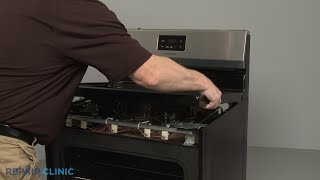

Real DIY Repair Stories
Be the first to share your repair story!
Share Your Repair Story
Your experience helps other homeowners fix their appliances. Tell us how it went!
Can't Fix It Yourself? Find a Local Technician
It's perfectly okay to call a professional. Some repairs require specialized tools, deep teardowns, or dealing with complex systems that are better left to the pros.

Find the Right Part for Your Appliance
Don't guess — search your exact appliance model number at ProsourceParts.com to find the correct OEM compatible replacement part. They offer fast free shipping, guaranteed fit, and thousands of parts in stock.
Your Free Parts Videos
Whether your dishwasher won't drain, your dryer stopped heating, or your fridge isn't cold, we've created simple repair guides for the most common appliance problems homeowners face. Each guide explains what's going wrong, the most likely causes, and which replacement parts fix the issue. When you're ready to order, we link directly to ProsourceParts.com where you can search by model number and get the right part shipped fast.