
EF1 Error Code on Washer – What Part Fixes This Problem?
Need the replacement part? Search your model number at for guaranteed fit and fast free shipping.
Understanding the Problem
Brief explanation: EF1 is an error code found on many washing machines and usually indicates a water level/pressure or flood-detection issue or an internal electronic/control fault depending on brand. Because manufacturers use similar codes for different failures, start by confirming the brand and model. Below are general, practical diagnostic and repair steps that cover the most common causes and fixes. 1) Identify brand/model and consult manual: Locate the brand and exact model number on the washer door frame or control panel. Check the owner's manual or manufacturer support page for the exact meaning of EF1 for your model—some brands use EF1 for a pressure/float problem, others for a flooded condition or control communication fault. 2) Basic power reset and observation: a) Unplug the washer or turn off its breaker and shut off the water supply. b) Wait 1–2 minutes and restore power to see if the code clears. c) If the code returns, note whether the washer is full of water, leaking, or unable to fill/drain. 3) Check for visible leaks and flooding: a) Inspect around and under the washer for standing water. b) If water is present, remove it with towels or a wet/dry vacuum before further testing. c) Look for cracked tub seals, hose leaks, or a popped-off air dome hose. 4) Verify drain system operation: a) Run a drain/spin or diagnostic drain cycle. Listen for the drain pump running. b) If the pump doesn't run, check the pump for blockages (coins, lint) and verify the pump motor gets 120V (or model voltage) during a drain cycle. c) Replace the drain pump if it does not run or is noisy/damaged. 5) Inspect inlet system and water flow: a) Ensure inlet hoses are fully open and not kinked; check screens on inlet valves for debris. b) If washer won't fill but shows EF1, test the water inlet valve solenoids for continuity; replace the valve if coils are open or valve stays closed. 6) Test the water level/pressure sensing circuit (most common cause): a) Locate the small rubber air hose (air dome hose) that runs from the wash tub to the pressure switch or pressure sensor on the control assembly. b) Check the hose for pinches, splits, or blockages. Remove it from the switch and blow gently to hear air move; you should hear a click at the switch if it's mechanical. c) Inspect the pressure sensor/switch for corrosion or water intrusion. Test switch continuity per the service manual or with a multimeter while applying a small vacuum to the sensor (or gently blow into the hose if recommended by your manual) to see contact changes. d) If the hose is damaged or blocked, replace the hose. If the pressure switch/sensor is intermittent or fails the continuity test, replace it. 7) Control board and wiring checks: a) Inspect wiring harnesses and connectors for burning, corrosion, or loose pins between the pressure switch/sensor, inlet valve, drain pump, and main control board. b) If the control board shows burned components, bulging capacitors, or scorch marks, the main PCB may be faulty and require replacement. 8) Run the washer’s diagnostic/test mode: Many washers have a service mode that will exercise valves, pump, and sensors. Use it to isolate whether the pump, valves, or pressure sensor respond correctly. 9) Replace suspect parts and re-test: Replace only the part that failed testing (common parts: pressure switch/sensor, air dome hose, drain pump, water inlet valve, or main control board). After replacement, clear error codes per the manual and run a full cycle to confirm the repair. 10) When to call a pro: If you find water in electronic housings, complex control board damage, or you’re uncomfortable performing electrical tests, call a professional. Safety note: Always disconnect power at the breaker or unplug the appliance and shut off water supply before accessing internal components. Use a multimeter safely, and if you’re unsure about live-voltage testing, get a qualified technician.
Common Symptoms
EF1 code on display, washer fails to fill or stops mid-cycle, washer full of water or triggers a flood/fill fault, or washer won't drain; intermittent or persistent error after power reset.
Common Causes
- Blocked, pinched, split, or disconnected air dome/pressure hose
- Faulty water level/pressure switch or electronic pressure sensor
- Drain pump failure, inlet valve failure, wiring harness fault, or control board failure
Popular Parts That Fix This Problem
These are the most common replacement parts that fix this problem. When you're ready to order, click below to find the right part at ProsourceParts.com — just search by your appliance model number for a guaranteed fit.
Helpful Repair Tip
Start by identifying your washer brand/model and checking whether the machine is full of water. If EF1 appears with the tub full or there’s evidence of leakage, check the air pressure hose and pressure switch first — they’re the most common and easiest-to-fix culprits.
Frequently Asked Questions
What does EF1 exactly mean on my washer?
EF1 is a generic error code used by different manufacturers to indicate issues with water level detection, flooding, or an electronic fault. The exact meaning depends on the brand and model. Check your washer's manual or the manufacturer's error-code list to confirm the specific definition for your machine.
Can I clear EF1 by unplugging the washer?
Power-cycling (unplugging or turning off the breaker) may clear the code temporarily, but if the underlying fault persists (leak, bad pressure hose/sensor, failed pump or inlet valve, or wiring/control board issue), the code will return. Use the diagnostic steps above to find and fix the root cause.
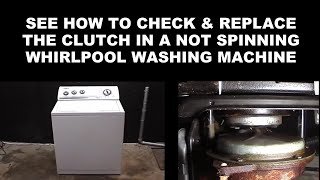
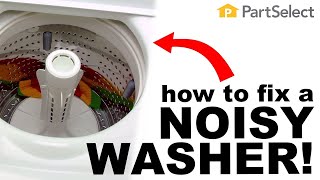
Related How-To Videos
Real DIY Repair Stories
Be the first to share your repair story!
Share Your Repair Story
Your experience helps other homeowners fix their appliances. Tell us how it went!
Can't Fix It Yourself? Find a Local Technician
It's perfectly okay to call a professional. Some repairs require specialized tools, deep teardowns, or dealing with complex systems that are better left to the pros.

Find the Right Part for Your Appliance
Don't guess — search your exact appliance model number at ProsourceParts.com to find the correct OEM compatible replacement part. They offer fast free shipping, guaranteed fit, and thousands of parts in stock.
Your Free Parts Videos
Whether your dishwasher won't drain, your dryer stopped heating, or your fridge isn't cold, we've created simple repair guides for the most common appliance problems homeowners face. Each guide explains what's going wrong, the most likely causes, and which replacement parts fix the issue. When you're ready to order, we link directly to ProsourceParts.com where you can search by model number and get the right part shipped fast.