
DVG45T3400W Dryer — Common Problems, Diagnostics & How to Fix Them
Need the replacement part? Search your model number at for guaranteed fit and fast free shipping.
Understanding the Problem
What this guide covers: The DVG45T3400W is a common home dryer model (gas or electric variants exist). The most frequent issues are: dryer not heating, dryer not starting, long dry times, loud noises, and the drum not turning. Below are step-by-step diagnostic and repair instructions you can follow at home. 1) Safety first: If electric — unplug the dryer before any internal work. If gas — turn off the gas supply and unplug the dryer. Work in a well-ventilated area and avoid open flames when inspecting gas parts. 2) Symptom triage — gather facts: Is it a gas or electric model? (gas models have a gas line hookup and burner assembly; electric models have a large heating element assembly and 240V cord). Note whether the drum spins, whether the motor runs, whether you hear clicking/ignition noises, and whether the dryer tumbles but does not heat. 3) Drying slowly or not heating at all: a) Check the venting — disconnect the duct at the wall and run the dryer briefly on a hot cycle; if drying improves, clean/replace the vent. b) Test the thermal fuse — locate the thermal fuse (usually on the blower housing or near the heating element/burner). Remove wires and test for continuity with a multimeter. No continuity = replace the thermal fuse. c) For electric dryers: inspect the heating element for visible breaks and test for continuity across the element. Replace if open or damaged. d) For gas dryers: check the igniter and gas valve coils — the igniter should glow when the gas valve is energized; test igniter continuity and the resistance of each valve coil per manufacturer specs. Replace failed components. e) Check thermostats and high-limit thermostats — test continuity; replace if open. f) Check the timer / control board and power to the heating circuit (for electric dryers ensure 240V present). 4) Dryer won't start but has power: a) Check door switch for continuity — if the switch is open when door closed, replace. b) Check start switch and cycling/start relay on the control board. c) If the dryer hums or makes a clicking noise, the motor may be seized or the belt/roller/shaft may be binding — remove the belt and try to spin the motor shaft by hand to check. 5) Loud noise, squeal, or grinding: a) Inspect drum glides/slides, rollers, bearings, and idler pulley. Replace worn rollers or glides and lubricate only where recommended by manufacturer. b) Check foreign objects trapped in the blower wheel. 6) Drum not turning: a) Inspect/replace drive belt if broken. b) Check idler pulley and motor; test motor for continuity and run condition after isolating (belt removed). 7) Control-related and intermittent issues: inspect wiring harness connections at the motor, heating system, and control board for corrosion or loose pins; reseat or replace as needed. 8) How to fix (example repairs): a) Replace thermal fuse: unplug, open access panel, disconnect both wires from the fuse, remove fastener, install new fuse, reconnect wires, reassemble. b) Replace heating element (electric): unplug, remove front or rear access panel, note element housing location, disconnect wiring, remove mounting screws, swap in new element, reassemble. c) Replace igniter/gas valve coils (gas): shut off gas and power, access burner chamber, disconnect wires, remove and replace component(s), restore gas and power and test for ignition and leaks. d) Replace belt/rollers: unplug, open cabinet, release idler tension, remove old belt/rollers and install new parts following routing diagram, reassemble. 9) Final checks: after repairs, reconnect power/gas, run an empty timed cycle, verify proper heat and tumble, and check dryer vent exhaust air at the outside vent. 10) When to call a pro: if you are uncomfortable working with gas components, dealing with 240V electrical circuits, or if control board diagnostics are required. Safety note: Always disconnect electrical power and shut off gas before servicing. If you smell gas after reconnecting, stop and ventilate, do not operate the dryer, and contact a qualified technician and your gas utility immediately.
Common Symptoms
No heat or weak heat; dryer runs but won't start tumbling; long dry times; loud squealing or grinding; burning smell or intermittent operation.
Common Causes
- Clogged or restricted venting/duct
- Blown thermal fuse or failed high-limit thermostat
- Faulty heating element (electric) or igniter/gas valve coils (gas)
- Broken drive belt, worn rollers, or seized motor
- Faulty door switch, start switch, or control board
Popular Parts That Fix This Problem
These are the most common replacement parts that fix this problem. When you're ready to order, click below to find the right part at ProsourceParts.com — just search by your appliance model number for a guaranteed fit.

Helpful Repair Tip
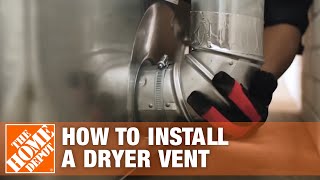
Start by checking airflow: disconnect the vent at the wall and run the dryer on high heat — if it heats and dries normally, a blocked vent is the likely culprit. Next, test the thermal fuse with a multimeter for a quick confirmation of a common no-heat fault.
Frequently Asked Questions
How do I tell if my dryer is gas or electric?
Look at the back of the dryer: gas dryers have a metal gas supply line connection (usually 1/2" pipe) and an exhaust vent, while electric dryers use a heavy 240V power cord and are missing the gas line. The model plate or user manual will also state the fuel type.
My dryer tumbles but doesn't heat — what should I check first?
First check airflow: disconnect the vent at the wall and run a hot cycle — improved drying means the vent is restricted. If airflow is fine, next test the thermal fuse for continuity, then check the heating element (electric) or igniter and gas valve coils (gas). Always cut power/gas before testing components.
Related How-To Videos
Real DIY Repair Stories
Be the first to share your repair story!
Share Your Repair Story
Your experience helps other homeowners fix their appliances. Tell us how it went!
Can't Fix It Yourself? Find a Local Technician
It's perfectly okay to call a professional. Some repairs require specialized tools, deep teardowns, or dealing with complex systems that are better left to the pros.

Find the Right Part for Your Appliance
Don't guess — search your exact appliance model number at ProsourceParts.com to find the correct OEM compatible replacement part. They offer fast free shipping, guaranteed fit, and thousands of parts in stock.
Your Free Parts Videos
Whether your dishwasher won't drain, your dryer stopped heating, or your fridge isn't cold, we've created simple repair guides for the most common appliance problems homeowners face. Each guide explains what's going wrong, the most likely causes, and which replacement parts fix the issue. When you're ready to order, we link directly to ProsourceParts.com where you can search by model number and get the right part shipped fast.