
Dryer Rollers Making Noise – What Causes It & How to Fix It
Need the replacement part? Search your model number at for guaranteed fit and fast free shipping.
Understanding the Problem
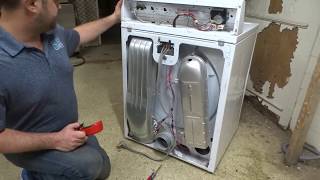
What this means: Noises coming from your dryer that sound like squeaks, rumbling, thumps or a grinding are often caused by worn or damaged drum rollers (also called drum glides or support rollers). The drum rollers support and let the dryer drum spin smoothly. Over time the roller surface wears, the axle gets grooved, or the bearings fail and the drum contacts the housing or makes noise when turning. Step-by-step diagnostics and repair: 1) Safety first: Unplug the dryer (or turn off the breaker) and move it away from the wall so you can access the back. Remove the lint screen and clean lint, and keep a small bowl for screws. 2) Recreate and localize the noise: With the dryer unplugged, manually rotate the drum by hand. Listen and feel for rough spots, wobble, squeaks or resistance. If the drum spins smoothly and silently, the problem may be elsewhere (motor, blower, idler). If you feel roughness or hear noise, roller's are likely. 3) Inspect rollers without full disassembly: Remove the dryer front or top panel (depends on model). On many models you can lift the top (release clips), remove front panel screws, or remove back panel to view rollers. Visually inspect all drum rollers for: - Cracked, flat or worn tread surfaces - Excess play on the roller axle (wobble) - Missing/breaking bearing retainers or metal clips - Debris or melted lint around the roller 4) Check roller movement: Grab each roller and try to spin it with your fingers. A good roller spins freely and quietly on its axle; a bad one may be stiff, rough or have side-to-side movement. 5) Inspect shaft and mount points: Look for grooving on the axle where the roller turned. A grooved axle will shorten the life of any new roller if not addressed. 6) Consider related parts: If rollers are worn, also inspect the idler pulley, drum bearing (rear support), felt seals and drive belt. These parts often wear at similar times. Replace any worn components together for best results. 7) Get the right parts: Order the correct roller kit for your exact dryer model. Most kits include two or three rollers, bushings or washers, shafts and mounting hardware. If the rear drum bearing or shaft is damaged you may need that part too. 8) Replacement (typical procedure): a) Remove power and move dryer so you can access panels. b) Remove the dryer top/front/back as required for your model to expose the drum and rollers. c) Remove the belt from the drum and idler pulley and lift out the drum. Keep track of belt orientation. d) Remove old rollers by taking out the retaining clips/bolts and sliding rollers off their axles. Note the order of any washers or spacers. e) Clean the axle and mounting area. If axles are grooved, replace the shaft or the entire support assembly; do not install new rollers on a heavily grooved shaft. f) Install new rollers, ensuring bearings/bushings seat correctly and any clips are secure. g) Reinstall the drum and re-route the belt. Reinstall panels. h) Plug the dryer in and run it empty to verify noise is gone and the drum spins freely. 9) Final checks: After reassembly run the dryer on air/fluff for several minutes and listen. Check for new noises or wobble. Confirm lint trap and vent are clean to avoid overheating. Safety note: Always disconnect power before working on the dryer. Some repairs require removing sharp sheet-metal panels — wear gloves and eye protection. If you’re not comfortable with mechanical repairs or the dryer uses complex front-load disassembly, consider hiring a service tech.
Common Symptoms
Squeaking, squealing, rumbling, thumping or metal-on-metal sounds as the drum spins; drum wobble or uneven rotation; noise increases under load.
Common Causes
- Worn roller tread or bearings causing rough rotation
- Flat spots or cracks on roller surface producing thumping
- Grooved or damaged roller shaft/axle allowing play
- Worn idler pulley, drum glides or rear bearing contributing to noise
Popular Parts That Fix This Problem
These are the most common replacement parts that fix this problem. When you're ready to order, click below to find the right part at ProsourceParts.com — just search by your appliance model number for a guaranteed fit.

Helpful Repair Tip
With the drum removed, spin each roller by hand — a bad roller will feel rough, stiff, or have side-to-side play. Replace all rollers in the set rather than just the loudest one.
Frequently Asked Questions
Do I need to replace all the rollers or just the noisy one?
It’s best to replace the entire set of drum rollers at once. If one roller is worn enough to be noisy, the others are likely near the end of their life too. Replacing the set reduces repeat labor and ensures even drum support.
How difficult is it to replace dryer rollers myself?
Moderate difficulty. The job requires basic hand tools, removing panels and the drum, and careful reassembly. Plan 1–2 hours for most models. Always unplug the dryer first. If you’re uncomfortable with mechanical work or the model requires complex disassembly, call a professional.
Related How-To Videos
Real DIY Repair Stories
Be the first to share your repair story!
Share Your Repair Story
Your experience helps other homeowners fix their appliances. Tell us how it went!
Can't Fix It Yourself? Find a Local Technician
It's perfectly okay to call a professional. Some repairs require specialized tools, deep teardowns, or dealing with complex systems that are better left to the pros.

Find the Right Part for Your Appliance
Don't guess — search your exact appliance model number at ProsourceParts.com to find the correct OEM compatible replacement part. They offer fast free shipping, guaranteed fit, and thousands of parts in stock.
Your Free Parts Videos
Whether your dishwasher won't drain, your dryer stopped heating, or your fridge isn't cold, we've created simple repair guides for the most common appliance problems homeowners face. Each guide explains what's going wrong, the most likely causes, and which replacement parts fix the issue. When you're ready to order, we link directly to ProsourceParts.com where you can search by model number and get the right part shipped fast.