
Dryer Not Heating – What Part Fixes This Problem?
Need the replacement part? Search your model number at for guaranteed fit and fast free shipping.
Understanding the Problem
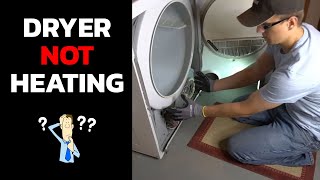
If your dryer tumbles but clothes come out damp or it takes many cycles to dry, the heating system is malfunctioning. Both electric and gas dryers rely on several components to produce and regulate heat. A single failed part — like a blown thermal fuse, broken heating element, or failed igniter/gas valve coil — can prevent the dryer from heating even though the motor and drum function normally. Diagnosing a dryer that won’t heat requires systematic checks: inspect airflow (vent and lint screen), verify electric supply or gas supply, and test thermal cutouts and heating components with a multimeter. Some problems are safety-related (thermal fuse) and must be fixed before the dryer will restart heating; others are replaceable components that restore normal function once swapped out.
Common Symptoms
Dryer tumbles but clothes remain damp, very long drying cycles, dryer drum hot to the touch but little/no warm air, or dryer trips the breaker (electric models).
Common Causes
- Blown thermal fuse (safety cutout) due to overheating or blocked vent
- Failed heating element (electric dryers) or failed igniter/gas valve coils (gas dryers)
- Restricted airflow from lint-clogged vent or lint screen causing overheating and component failure
Popular Parts That Fix This Problem
These are the most common replacement parts that fix this problem. When you're ready to order, click below to find the right part at ProsourceParts.com — just search by your appliance model number for a guaranteed fit.

Helpful Repair Tip
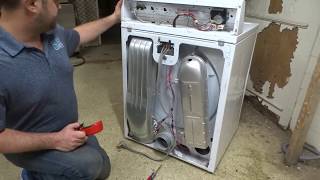
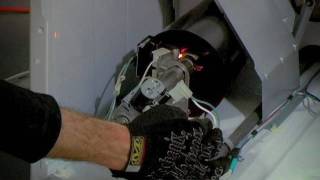
First check airflow and power/gas supply. If airflow and supply are good, remove the rear panel and use a multimeter to check continuity on the thermal fuse, heating element (electric), igniter and gas coils (gas), and temperature sensors — the component with no continuity or open circuit is usually the faulty part.
Frequently Asked Questions
How do I quickly tell if the thermal fuse or heating element is bad?
Unplug the dryer (or shut off gas). Remove the access panel and locate the thermal fuse and heating element. Use a multimeter set to continuity/ohms: the thermal fuse should show continuity (closed) if good; the heating element should show low resistance (a closed circuit). An open circuit (infinite resistance) indicates the part is blown and needs replacement. Replace blown safety fuses only after fixing the root cause (e.g., clogged vent).
Can I keep using the dryer if it’s not heating?
You can tumble (spin) clothes without heat, but it’s inefficient and can prolong drying time — and if the problem is caused by restricted airflow, continuing to run it risks further overheating or causing more component failures. For gas dryers, don’t attempt to use it if you suspect gas or ignition problems; shut off the gas and get a qualified technician if you smell gas.
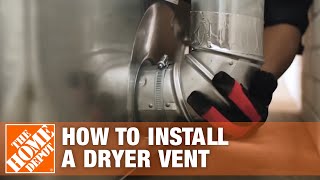
Related How-To Videos
Real DIY Repair Stories
Be the first to share your repair story!
Share Your Repair Story
Your experience helps other homeowners fix their appliances. Tell us how it went!
Can't Fix It Yourself? Find a Local Technician
It's perfectly okay to call a professional. Some repairs require specialized tools, deep teardowns, or dealing with complex systems that are better left to the pros.

Find the Right Part for Your Appliance
Don't guess — search your exact appliance model number at ProsourceParts.com to find the correct OEM compatible replacement part. They offer fast free shipping, guaranteed fit, and thousands of parts in stock.
Your Free Parts Videos
Whether your dishwasher won't drain, your dryer stopped heating, or your fridge isn't cold, we've created simple repair guides for the most common appliance problems homeowners face. Each guide explains what's going wrong, the most likely causes, and which replacement parts fix the issue. When you're ready to order, we link directly to ProsourceParts.com where you can search by model number and get the right part shipped fast.