
Dryer Not Drying – What Part Fixes This Problem?
Need the replacement part? Search your model number at for guaranteed fit and fast free shipping.
Understanding the Problem
A dryer that tumbles but doesn't dry clothes is one of the most common household appliance problems. The issue can be caused by lack of heat, poor airflow, or inaccurate moisture sensing. Electric dryers rely on a heating element and related safety thermostats and fuses; gas dryers rely on an igniter, gas valve coils, and the same airflow and safety components. Any failure in those systems or a blocked vent can prevent clothes from drying. Troubleshooting requires checking two main systems: heat generation and airflow. Start by confirming whether the dryer is producing any heat (or faint heat for gas models). If there's heat but drying is slow, check venting and airflow (lint trap, ductwork, exhaust). If there's no heat, test thermal fuses, thermostats, heating elements (electric) or igniter and gas valve coils (gas). Also consider moisture sensors or control issues if the dryer runs normally but shuts off early or reports dry when clothes are still damp.
Common Symptoms
Tumbler runs but clothes remain damp or take much longer to dry; dryer may run normally but not get hot; dryer trips breaker (electric) or shows ignition clicks (gas); longer cycles or overheating and shutting off.
Common Causes
- Failed heating element, igniter, or gas valve coils (no heat produced)
- Blown thermal fuse or faulty high-limit thermostat causing the heating circuit to be open
- Restricted airflow from clogged lint trap, ductwork, or damaged blower wheel preventing moisture removal
Popular Parts That Fix This Problem
These are the most common replacement parts that fix this problem. When you're ready to order, click below to find the right part at ProsourceParts.com — just search by your appliance model number for a guaranteed fit.

Helpful Repair Tip
Confirm the faulty part quickly: run the dryer empty on a timed cycle and feel for heat at the drum and at the dryer exhaust. No heat = heating system or safety fuse; good heat but poor drying = airflow problem (lint trap, vent, or blower).
Frequently Asked Questions
How do I know if the problem is the heating element or the vent?
Run the dryer empty on a timed cycle. Put your hand briefly near the drum or use an infrared thermometer to check for heat; also feel at the exterior exhaust vent. If the dryer produces strong heat at the drum but airflow at the vent is weak or warm instead of hot, it's likely a vent/airflow problem (lint trap, duct blockage, or blower). If there's little or no heat at the drum, focus on the heating system (thermal fuse, element/igniter, thermostats). Always disconnect power (and gas) before testing electrical components directly with a multimeter.
Can I replace the part myself or should I call a pro?
Many dryer repairs (cleaning lint/vent, replacing thermal fuses, heating elements, or blower wheels) are doable for a competent DIYer with basic tools and the model-specific parts diagram. However, if the dryer is gas-powered, or if you need to diagnose gas valve coils or the control board, consider hiring a qualified technician for safety and to ensure proper gas/electrical handling. Always unplug the dryer (and turn off gas for gas models) before working on it, and verify replacement parts match your dryer model.
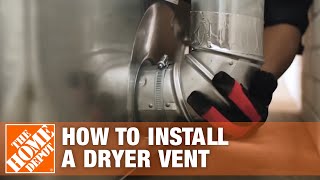
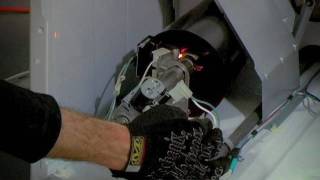
Related How-To Videos
Real DIY Repair Stories
Be the first to share your repair story!
Share Your Repair Story
Your experience helps other homeowners fix their appliances. Tell us how it went!
Can't Fix It Yourself? Find a Local Technician
It's perfectly okay to call a professional. Some repairs require specialized tools, deep teardowns, or dealing with complex systems that are better left to the pros.
Find the Right Part for Your Appliance
Don't guess — search your exact appliance model number at ProsourceParts.com to find the correct OEM compatible replacement part. They offer fast free shipping, guaranteed fit, and thousands of parts in stock.
Your Free Parts Videos
Whether your dishwasher won't drain, your dryer stopped heating, or your fridge isn't cold, we've created simple repair guides for the most common appliance problems homeowners face. Each guide explains what's going wrong, the most likely causes, and which replacement parts fix the issue. When you're ready to order, we link directly to ProsourceParts.com where you can search by model number and get the right part shipped fast.