
Dryer Making Noises — What’s Causing the Sound and What Part Fixes It?
Need the replacement part? Search your model number at for guaranteed fit and fast free shipping.
Understanding the Problem
Dryers can make a variety of sounds — squealing, thumping, grinding, rattling or a loud rumble — and each sound points to different failing components. Most often the noises come from worn moving parts (drum rollers, idler pulley, belt, motor bearings), a loose or damaged blower wheel, or foreign objects trapped in the drum or blower housing. Over time these parts wear out, develop play, or break, which creates friction, vibration, or contact between metal and metal. You should diagnose noisy dryers promptly. Running a dryer with worn bearings or a loose blower wheel can cause more damage (scoring the drum, breaking the belt, or damaging the motor) and in some cases increase the risk of overheating. Simple visual checks and a few manual tests usually identify the culprit; replacement parts are commonly available and many repairs are straightforward for a competent DIYer with basic tools and safety precautions (unplug machine, disconnect power).
Common Symptoms
Squealing or high-pitched noise, loud thumping or banging, grinding or rumbling, rattling or clunking when drum turns, intermittent noise that changes with load.
Common Causes
- Worn or seized drum rollers or rear drum bearing causing squeal or rumble
- Worn idler pulley or drive belt slipping/dragging producing high-pitched squeal
- Loose or damaged blower wheel, motor bearings, or foreign object contacting the drum
Popular Parts That Fix This Problem
These are the most common replacement parts that fix this problem. When you're ready to order, click below to find the right part at ProsourceParts.com — just search by your appliance model number for a guaranteed fit.

Helpful Repair Tip
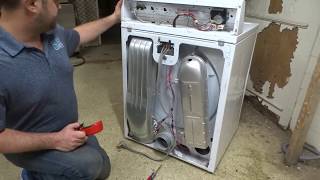
Unplug the dryer and rotate the drum by hand while listening and feeling for rough spots or scraping. Remove the dryer front or rear panel and spin the motor shaft and blower wheel by hand to isolate whether the noise comes from rollers, idler/pulley, blower, or motor bearings.
Frequently Asked Questions
Is it safe to run a dryer that’s making a loud noise?
It’s best to stop using a dryer that makes a loud unusual noise until you identify the cause. Continued operation can worsen damage (scored drum, snapped belt, burned motor) and may create a safety risk. If the sound is minor and intermittent, you can perform basic inspections (unplug the dryer first) such as checking the lint trap, spinning the drum and inspecting accessible components. If the source isn’t obvious or the noise sounds like grinding or metal-on-metal, don’t run it and repair or call a technician.
Can I replace noisy dryer parts myself or should I call a pro?
Many common noisy-part repairs (drum rollers, idler pulley, belt, blower wheel, drum glides) are DIY-friendly if you’re comfortable removing panels, identifying parts by your model number, and using basic hand tools. Always unplug the dryer before working on it. Replace one part at a time and re-test. If the problem involves the motor, internal electrical faults, or you’re unsure about diagnosis, it’s wise to call a trained technician to avoid further damage or safety hazards.
Related How-To Videos
Real DIY Repair Stories
Be the first to share your repair story!
Share Your Repair Story
Your experience helps other homeowners fix their appliances. Tell us how it went!
Can't Fix It Yourself? Find a Local Technician
It's perfectly okay to call a professional. Some repairs require specialized tools, deep teardowns, or dealing with complex systems that are better left to the pros.

Find the Right Part for Your Appliance
Don't guess — search your exact appliance model number at ProsourceParts.com to find the correct OEM compatible replacement part. They offer fast free shipping, guaranteed fit, and thousands of parts in stock.
Your Free Parts Videos
Whether your dishwasher won't drain, your dryer stopped heating, or your fridge isn't cold, we've created simple repair guides for the most common appliance problems homeowners face. Each guide explains what's going wrong, the most likely causes, and which replacement parts fix the issue. When you're ready to order, we link directly to ProsourceParts.com where you can search by model number and get the right part shipped fast.