
Dryer Lights On but Drum Not Turning – What Part Fixes This?
Need the replacement part? Search your model number at for guaranteed fit and fast free shipping.
Understanding the Problem
Brief explanation: If your dryer powers up (lights, display or controls work) but the drum (barrel) doesn’t rotate, the problem is almost always in the drive system or a safety/start switch — most commonly a broken drive belt, a seized drum support (rollers or glides), a failed idler pulley, or a motor that is not turning. Follow these numbered diagnostic and repair steps to find and fix the issue. 1) Prepare: Unplug the dryer or shut off its breaker. Gather tools: screwdriver/Phillips, nut driver, pliers, socket set, putty knife, work gloves, and a multimeter if you have one. 2) Verify symptom and listen: With the dryer powered on, try to start a cycle. Note if the motor hums, clicks, or is silent. If you hear a hum but the drum doesn’t turn, the belt may be broken or slipped, or a roller/idler is seized. If totally silent when pressing start, suspect the door switch, start switch, thermal fuse, or motor failure. 3) Manual drum test: Open the door and try to rotate the drum by hand. If it spins freely with no resistance and no belt present, the belt is likely broken. If it feels very stiff or is hard to turn, check drum rollers, glides, or a seized shaft bearing. 4) Inspect the drive belt: Remove the dryer front or top (model dependent) to access the drum/belt. If the belt is loose, worn, frayed, or snapped, replace it. To replace: release tension on the idler, slip the belt off the motor pulley and drum, route the new belt around the drum following the manufacturer’s routing diagram, and re-tension with the idler. 5) Check the idler pulley and motor pulley: With the belt off, spin the idler and motor pulley by hand. If the idler is noisy, wobbly, or doesn’t spin freely, replace it. If the motor pulley is seized or the motor has burned windings (burn smell), the motor likely needs replacement. 6) Inspect drum rollers/wheels and glides: Worn or seized rollers cause extra drag. Remove the drum and spin each roller by hand. If they don’t spin freely or have flat spots, replace rollers (usually sold as kits). Also inspect felt glides/slide pads at the front of the drum for heavy wear and replace them if worn. 7) Check the door switch and start switch: The dryer may light but not engage the motor if the door switch or start switch is faulty. With the dryer unplugged, locate the door switch and test continuity with a multimeter when the door is closed (it should show continuity). Test the start switch similarly when pressed. Replace the faulty switch. 8) Test the motor and thermal fuse: If you don’t hear the motor at all, test the thermal fuse for continuity (mounted on the blower housing). A blown thermal fuse will cut power to the motor — replace the fuse if it’s open. If the fuse is good but the motor gets full power and still won’t spin (sometimes it hums), the motor is likely bad and must be replaced. 9) Reassemble and test: After replacing worn parts (belt, idler, rollers, switches, thermal fuse, or motor), reassemble the dryer, plug it back in, and run a test cycle. Confirm the drum turns smoothly and there are no unusual noises. How to fix (practical steps for common parts): - Replace a broken belt: Unplug dryer, remove front panel or access panel, loosen idler to remove old belt, loop new belt around drum, thread around idler and motor pulley, check drum alignment, reassemble. - Replace idler pulley: Remove belt, unbolt idler, replace with new pulley, reinstall belt and tension properly. - Replace drum rollers/wheels: Remove drum to access rollers, unbolt and replace worn rollers (replace in pairs or kit), lubricate per manufacturer guidelines, reinstall drum and belt. - Replace door or start switch: Unplug, remove control or door bezel to access switch, disconnect wiring, swap in new switch, reconnect and test. - Replace thermal fuse: Unplug, locate fuse on blower housing, disconnect wires, remove and replace with correct fuse rated for your model. - Replace motor: If motor is seized or burned, replace with exact OEM motor assembly and associated mounting hardware and belts. Safety note: Always disconnect power before opening the dryer. Use model-specific disassembly instructions if available. If you are not comfortable with electrical testing or motor replacement, call a qualified appliance technician.
Common Symptoms
Dryer powers on (lights/display work) but drum doesn’t rotate. You may hear humming, clicking, grinding, or nothing at all when pressing start.
Common Causes
- Broken or slipped drive belt
- Worn or seized drum rollers/wheels or front glides
- Faulty idler pulley (worn bearing)
- Failed motor (seized or burned out)
- Faulty door switch or start switch
- Blown thermal fuse or open safety cutoff
Popular Parts That Fix This Problem
These are the most common replacement parts that fix this problem. When you're ready to order, click below to find the right part at ProsourceParts.com — just search by your appliance model number for a guaranteed fit.

Helpful Repair Tip
Try turning the drum by hand with the dryer off: if it spins freely and you hear motor hum when starting, suspect a broken belt; if it’s hard to turn, suspect rollers/idler or a seized motor.
Frequently Asked Questions
Why does my dryer light and controls work but the drum won’t turn?
Because the controls and light are on a low-voltage circuit that can work even if the drive system or motor circuit is disabled. The most common causes are a broken drive belt, a seized roller or idler, a faulty motor, or a safety device (door switch or thermal fuse) that’s open. Start by seeing if the drum turns freely by hand and listening for motor noise when you press start.
Can I fix a non-rotating dryer drum myself or do I need a technician?
Many repairs (replacing a belt, idler pulley, rollers, door switch, or thermal fuse) are doable for a competent DIYer with basic tools and a model-specific guide. Motor replacement or extensive electrical diagnostics may be harder and require more tools or a technician. Always unplug the dryer before working on it and consult your model’s disassembly instructions or parts diagram.
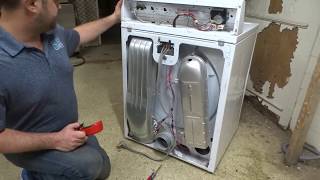
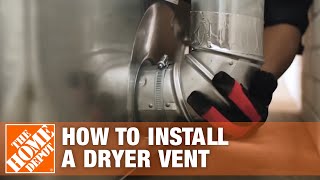
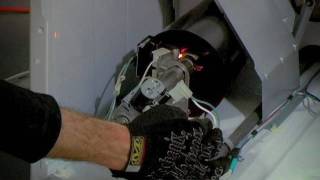
Related How-To Videos
Real DIY Repair Stories
Be the first to share your repair story!
Share Your Repair Story
Your experience helps other homeowners fix their appliances. Tell us how it went!
Can't Fix It Yourself? Find a Local Technician
It's perfectly okay to call a professional. Some repairs require specialized tools, deep teardowns, or dealing with complex systems that are better left to the pros.

Find the Right Part for Your Appliance
Don't guess — search your exact appliance model number at ProsourceParts.com to find the correct OEM compatible replacement part. They offer fast free shipping, guaranteed fit, and thousands of parts in stock.
Your Free Parts Videos
Whether your dishwasher won't drain, your dryer stopped heating, or your fridge isn't cold, we've created simple repair guides for the most common appliance problems homeowners face. Each guide explains what's going wrong, the most likely causes, and which replacement parts fix the issue. When you're ready to order, we link directly to ProsourceParts.com where you can search by model number and get the right part shipped fast.