
Dryer Heating Element Whirring – What Causes the Noise and Which Part Fixes It?
Need the replacement part? Search your model number at for guaranteed fit and fast free shipping.
Understanding the Problem
A heating element itself should not produce a steady whirring sound. If your dryer only makes that noise when the heat turns on, the sound is usually caused by airflow components (blower wheel or motor) under load, a heating element vibrating against the housing, or an electrical/relay component cycling and producing vibration. Because the whir typically appears with heat, it often points to increased air movement or thermal expansion changing how parts contact each other. Ignoring a heating-related whir can lead to burned wiring, damaged blower components, overheating, or an increased fire risk if the element is rubbing against sheet metal. Diagnosing the source requires a safe, methodical check: isolate whether the noise comes from the rear (motor/blower) or from the element housing, and confirm whether the noise changes with air load or when the drum is stationary versus spinning.
Common Symptoms
A low-to-medium pitch whirring or buzzing that begins or gets louder when heat is applied; may be accompanied by reduced airflow, longer dry times, or intermittent heating.
Common Causes
- Blower wheel rubbing on housing or loose/blade damage causing vibration under airflow
- Failing or worn blower motor bearings that whir louder when under the heating/airflow load
- Heating element or element bracket vibrating/loose and contacting sheet metal when hot
- Loose mounting screws, vibration transferred from drum support parts (rollers/idler) when element cycles
- Faulty control relay or cycling thermostat producing an electrical buzzing/vibration
Popular Parts That Fix This Problem
These are the most common replacement parts that fix this problem. When you're ready to order, click below to find the right part at ProsourceParts.com — just search by your appliance model number for a guaranteed fit.

Helpful Repair Tip
Run the dryer empty and listen from the front and back (with the dryer on a low/no-heat test cycle if safe). If the whir only occurs with heat, it narrows the cause to element-area vibration, blower strain, or an electrical relay. For exact replacement parts, turn the dryer off and note the model number — parts vary widely by model.
Frequently Asked Questions
Is it safe to keep using the dryer while it makes a whirring noise?
No — if the noise begins when the heater is on, stop using the dryer until you locate the source. A whirring sound can indicate rubbing metal, worn bearings, or an electrical component under stress; any of these can cause overheating or sparks. Perform basic checks (unplug, visually inspect for loose parts or lint buildup) and either swap in a replacement part or call a technician.
How do I pinpoint whether the noise is coming from the heating element area or the blower/motor?
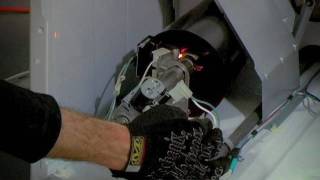
With the dryer empty and on (or on a no-heat tumble if your model allows), listen from the front (near the drum) and the back (near the motor/element). If the sound is louder at the back near the motor housing, suspect the blower wheel or motor. If the whir is strongest around the element housing (usually at the rear access panel or inside the cabinet near the heating assembly) and tied to when heat kicks on, suspect the element or its mounting. Always unplug the dryer before opening panels to inspect visually.
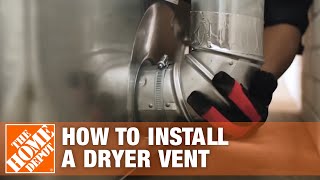
Related How-To Videos
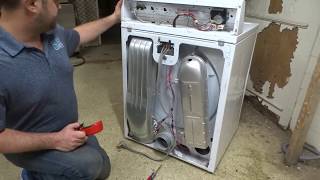
Real DIY Repair Stories
Be the first to share your repair story!
Share Your Repair Story
Your experience helps other homeowners fix their appliances. Tell us how it went!
Can't Fix It Yourself? Find a Local Technician
It's perfectly okay to call a professional. Some repairs require specialized tools, deep teardowns, or dealing with complex systems that are better left to the pros.

Find the Right Part for Your Appliance
Don't guess — search your exact appliance model number at ProsourceParts.com to find the correct OEM compatible replacement part. They offer fast free shipping, guaranteed fit, and thousands of parts in stock.
Your Free Parts Videos
Whether your dishwasher won't drain, your dryer stopped heating, or your fridge isn't cold, we've created simple repair guides for the most common appliance problems homeowners face. Each guide explains what's going wrong, the most likely causes, and which replacement parts fix the issue. When you're ready to order, we link directly to ProsourceParts.com where you can search by model number and get the right part shipped fast.