
Dryer Belt Change – What Part Fixes This Problem?
Need the replacement part? Search your model number at for guaranteed fit and fast free shipping.
Understanding the Problem
A dryer that won’t tumble, makes a rubbing or squealing noise, or smells like burning fabric most often has a worn, stretched, or broken drum belt. The belt wraps around the drum and connects to the motor and idler pulley; when it fails, the motor may run but the drum doesn’t turn (or turns intermittently). Over time belts wear, fray, or lose tension from heat and age. Sometimes a seized idler pulley, damaged drum rollers, or a failing drive motor overloads the belt and causes premature breakage. Replacing the belt is a straightforward fix on many models, but it’s important to inspect the idler, rollers, and motor while you have the cabinet open so the new belt isn’t damaged soon after installation.
Common Symptoms
Dryer motor runs but drum won't turn; loud squealing or rubbing noises; burning rubber smell; visible belt fraying or a snapped belt.
Common Causes
- Normal wear and aging — belt becomes stretched, glazed, or frayed
- Broken belt from overload, snagging, or a seized idler/roller
- Worn idler pulley, drum rollers, or misaligned drum causing excess belt wear
Popular Parts That Fix This Problem
These are the most common replacement parts that fix this problem. When you're ready to order, click below to find the right part at ProsourceParts.com — just search by your appliance model number for a guaranteed fit.

Helpful Repair Tip
Unplug the dryer, remove the lint trap and manually rotate the drum by hand. If the drum turns freely but the motor runs without tumbling, the belt is likely broken or off the drum. If the drum is hard to turn, check rollers/idler before replacing the belt.
Frequently Asked Questions
Is replacing a dryer belt a job I can do myself?
Yes — for many common dryer models, replacing the belt is a doable DIY task if you have basic hand tools and follow safety steps (unplug the appliance, take photos during disassembly). Consult your model’s service manual or a reputable repair guide for step-by-step instructions and to confirm required parts. If you’re uncomfortable working around the motor or electrical components, hire a qualified technician.
How long does a belt replacement usually take and what else should I replace while I'm in there?
A belt replacement typically takes 30–90 minutes for most homeowners with moderate mechanical skill. While the cabinet is open, inspect and, if needed, replace the idler pulley, drum rollers, and tension spring — these parts commonly fail and can ruin a new belt if left unchanged. Also clean lint and debris from the interior and check the venting for restrictions.
Related How-To Videos
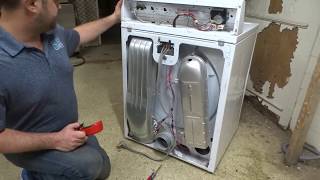
Real DIY Repair Stories
Be the first to share your repair story!
Share Your Repair Story
Your experience helps other homeowners fix their appliances. Tell us how it went!
Can't Fix It Yourself? Find a Local Technician
It's perfectly okay to call a professional. Some repairs require specialized tools, deep teardowns, or dealing with complex systems that are better left to the pros.

Find the Right Part for Your Appliance
Don't guess — search your exact appliance model number at ProsourceParts.com to find the correct OEM compatible replacement part. They offer fast free shipping, guaranteed fit, and thousands of parts in stock.
Your Free Parts Videos
Whether your dishwasher won't drain, your dryer stopped heating, or your fridge isn't cold, we've created simple repair guides for the most common appliance problems homeowners face. Each guide explains what's going wrong, the most likely causes, and which replacement parts fix the issue. When you're ready to order, we link directly to ProsourceParts.com where you can search by model number and get the right part shipped fast.