
Dishwasher DWSR463EG7WWL — Common Problems, Diagnostics & Repair Steps
Need the replacement part? Search your model number at for guaranteed fit and fast free shipping.
Understanding the Problem
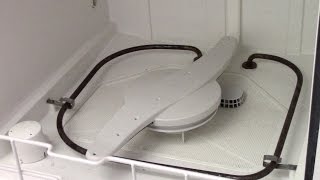
This guide covers the most common problems owners see with the DWSR463EG7WWL-family dishwashers: not starting, not draining, poor cleaning, leaking, and error codes. Below are step-by-step diagnostics and practical repair actions to isolate and fix those issues. 1) Safety & prep - Turn off power to the dishwasher at the breaker and shut off the water supply. Confirm power is off with a non-contact voltage tester before touching wiring. - Pull the lower kickplate and remove the toe panel to access wiring, pump, and valves. 2) If the dishwasher won’t start (no lights, no response) - Check power: verify the breaker hasn’t tripped and the outlet (or hard-wired junction) has power. - Inspect the door latch/switch: defective latch prevents the unit from starting. Visually inspect for broken latch parts; test the switch for continuity with a multimeter while actuating the latch. Replace if no continuity. - Check the control panel / user interface: if some buttons work but cycles won’t start, look for stuck buttons or a failed control board. Try a factory reset (power off 1 minute, power on) and run a diagnostic cycle (consult manual). If the board is unresponsive, replacement may be needed. - Verify thermal fuse (if applicable) and wiring harness connections for burn/loose connections. 3) If the dishwasher powers but won’t fill with water - Confirm water supply is on at the shutoff under the sink. - Inspect the water inlet valve for debris or failure. Remove the valve screen and clean; test the solenoid for continuity. If no continuity or valve won’t open when the machine calls for water, replace the inlet valve. - Check the float and float switch: lift the float — it should click and change state on the multimeter. If stuck or faulty, clean or replace the float/switch assembly. 4) If the dishwasher runs but doesn’t drain - First clean the filter, chopper/garbage disposal connection, and lower spray arm area to remove food or glass. - Inspect the drain hose for kinks or clogs and the air gap (if present). Remove and blow out the hose into a bucket. - Test the drain pump: during a drain cycle, listen for the pump running. If you hear humming but no water movement, check for jammed impeller (remove debris) or replace the pump. Use a multimeter to check for continuity; verify the pump receives voltage during drain. - If connected to a garbage disposal, ensure the knockout plug was removed when installed and that the disposal circuit is clear. 5) If dishes aren’t getting clean or there’s residue - Clean or replace filters and remove any food trap debris. - Inspect spray arms for clogged holes and clean them with a brush; ensure they spin freely. - Confirm correct detergent and proper loading (don’t block spray path). Hard water can cause spotting — consider a rinse aid or water-softening solution. - Check wash motor and circulation pump: if the pump doesn’t run or is weak, test motor for continuity and adequate voltage during the wash. Replace pump/motor assembly if faulty. 6) If the dishwasher leaks - Inspect door gasket/seal for cracks, gaps, or debris; clean or replace the gasket. - Tighten or replace the door latch if the door is not closing tightly. - Check the tub for cracks or rust perforations at the sump area and check hose connections at the sump, drain pump, and inlet valve for loose clamps. - If the leak is from underneath during fill or drain, remove the toe kick and run a short cycle to locate the source. 7) If you see error codes or fault lights - Note the code or light pattern and consult the service manual or manufacturer’s code chart for exact meaning (common codes indicate long fill, overfill/float tripped, heater fault, or communication errors). - Follow targeted diagnostics for that code (example: long fill = inlet valve/float/supply issue; overfill = drain/float switch problem). 8) When to replace parts vs repair - Replace the water inlet valve if it fails continuity or won’t open/close under command. - Replace the drain pump if the impeller is broken, the pump hums without moving water, or the motor has no continuity. - Replace the door latch/lock assembly if the switch is open or the mechanical latch is broken. - Replace the main control board if multiple unrelated functions fail and wiring/relays test normal. 9) Basic replacement steps (drain pump example) - Power off at breaker and turn off water. - Remove the toe kick and lower access panel. - Place towels or a shallow pan to catch water; disconnect drain hose and electrical connector from pump. - Unfasten mounting screws and remove the pump assembly; install the new pump, reconnect hose and wiring, replace panels, restore power and run a test cycle. Safety note: Always disconnect electrical power and water before accessing internal components. If you are uncomfortable working with live wiring, gas, or water connections, call a licensed technician.
Common Symptoms
Dishwasher won't start, won't fill, won't drain, dishes not clean, leaks, or error codes on the display.
Common Causes
- Faulty door latch or door switch preventing startup
- Clogged filter, spray arms, or drain hose causing poor cleaning or draining
- Failed drain pump or circulation/wash motor
- Defective water inlet valve or float switch causing fill problems
- Worn door gasket or loose hose connections causing leaks
Popular Parts That Fix This Problem
These are the most common replacement parts that fix this problem. When you're ready to order, click below to find the right part at ProsourceParts.com — just search by your appliance model number for a guaranteed fit.

Helpful Repair Tip
Start by running a short diagnostic or service cycle and listen: a good pump and motor will produce a distinct hum/whir during wash and drain. If you hear nothing, check the door latch and power first; if you hear humming without operation, the pump impeller may be jammed or the motor is bad.
Frequently Asked Questions
How do I find the exact part numbers for my DWSR463EG7WWL dishwasher?
Look for the model and serial tag on the dishwasher — common locations are on the inner door edge (top or side) or on the tub rim behind the door. Use that exact model and serial when searching the manufacturer parts lookup or giving details to a parts supplier; many parts are model-year specific.
Can I replace the drain pump, door latch, or inlet valve myself?
Yes — these are common DIY repairs. Always disconnect power at the breaker and turn off the water before starting. Keep the service manual or a parts diagram nearby and take pictures of wiring before disconnecting. If you’re uncomfortable testing for voltage or working under the sink, hire a qualified appliance technician.
Related How-To Videos
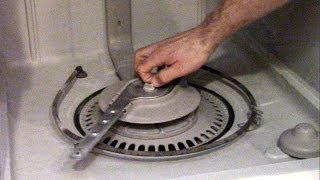
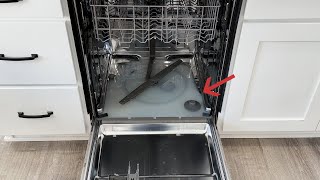
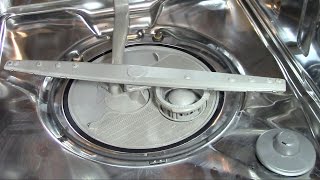
Real DIY Repair Stories
Be the first to share your repair story!
Share Your Repair Story
Your experience helps other homeowners fix their appliances. Tell us how it went!
Can't Fix It Yourself? Find a Local Technician
It's perfectly okay to call a professional. Some repairs require specialized tools, deep teardowns, or dealing with complex systems that are better left to the pros.

Find the Right Part for Your Appliance
Don't guess — search your exact appliance model number at ProsourceParts.com to find the correct OEM compatible replacement part. They offer fast free shipping, guaranteed fit, and thousands of parts in stock.
Your Free Parts Videos
Whether your dishwasher won't drain, your dryer stopped heating, or your fridge isn't cold, we've created simple repair guides for the most common appliance problems homeowners face. Each guide explains what's going wrong, the most likely causes, and which replacement parts fix the issue. When you're ready to order, we link directly to ProsourceParts.com where you can search by model number and get the right part shipped fast.