
Clothes Dryer Takes a Long Time to Dry – How to Diagnose & What Parts Fix It
Need the replacement part? Search your model number at for guaranteed fit and fast free shipping.
Understanding the Problem
If your clothes dryer is taking much longer than usual to dry, the problem is usually reduced heat or restricted airflow. Drying time increases when warm, moist air cannot escape the drum fast enough or when the dryer is not producing full heat. Common sources are lint- or debris-clogged vents, a failing heating element or igniter (gas models), blown thermal fuse or thermostats, a worn blower wheel, or simply overloading and incorrect settings. Slow drying can also be caused by a combination of minor issues — a partially clogged external vent plus a weak blower will make drying times much worse than either issue alone. Start with the easiest checks (lint screen and exterior vent) and then move to electrical and mechanical parts if airflow and heat output still look normal.
Common Symptoms
Long dry cycles, clothes still damp after normal runtime, dryer feels cool or only mildly warm, noticeably reduced airflow from exterior vent, dryer sometimes trips thermal fuse or shuts off early.
Common Causes
- Restricted exhaust vent or clogged lint screen reducing airflow
- Faulty heating component (electric heating element or gas igniter/valve) or failed thermal fuse/thermostat
- Blower wheel obstruction or motor running weakly reducing airflow
Popular Parts That Fix This Problem
These are the most common replacement parts that fix this problem. When you're ready to order, click below to find the right part at ProsourceParts.com — just search by your appliance model number for a guaranteed fit.

Helpful Repair Tip
First check airflow: run the dryer on a hot cycle with the dryer door open and feel the airflow at the exterior vent. Strong, hot airflow means heating parts may be failing; weak airflow indicates a vent, lint trap, or blower problem. Use a multimeter to test continuity on thermal fuses, heating elements, and thermostats before replacing.
Frequently Asked Questions
Can a clogged lint screen really cause slow drying?
Yes. A clogged lint screen or trapped lint between the screen and duct can significantly reduce air flow through the dryer, making drying times much longer and increasing the risk of overheating. Clean the lint screen every load and periodically vacuum behind it and inspect the duct.
Is it safe to keep using the dryer while it’s taking a long time to dry?
It’s not recommended to ignore slow drying. Restricted airflow increases fire risk because lint and heat build up. Also, failing heating components or thermostats can cycle improperly. Run the dryer only briefly while diagnosing (do not leave unattended), clean the lint screen and external vent, and repair or replace faulty parts promptly.
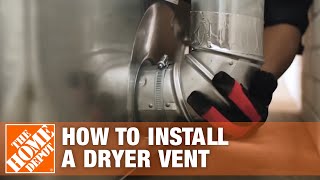
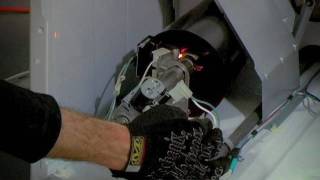
Related How-To Videos
Real DIY Repair Stories
Be the first to share your repair story!
Share Your Repair Story
Your experience helps other homeowners fix their appliances. Tell us how it went!
Can't Fix It Yourself? Find a Local Technician
It's perfectly okay to call a professional. Some repairs require specialized tools, deep teardowns, or dealing with complex systems that are better left to the pros.

Find the Right Part for Your Appliance
Don't guess — search your exact appliance model number at ProsourceParts.com to find the correct OEM compatible replacement part. They offer fast free shipping, guaranteed fit, and thousands of parts in stock.
Your Free Parts Videos
Whether your dishwasher won't drain, your dryer stopped heating, or your fridge isn't cold, we've created simple repair guides for the most common appliance problems homeowners face. Each guide explains what's going wrong, the most likely causes, and which replacement parts fix the issue. When you're ready to order, we link directly to ProsourceParts.com where you can search by model number and get the right part shipped fast.