
Clothes Dryer Not Drying – What Part Fixes This Problem?
Need the replacement part? Search your model number at for guaranteed fit and fast free shipping.
Understanding the Problem
When a dryer tumbles but clothes remain damp, the problem falls into two broad categories: heating failure (the dryer doesn't produce adequate heat) or airflow restriction (heat can't circulate to dry clothes). Electric dryers rely on a heating element and safety devices; gas dryers rely on an igniter and gas valve. Both rely on good airflow to move moisture out of the drum. A failed component or a blocked vent can make drying take much longer or fail entirely. Diagnosing the issue means checking both heat generation and airflow. Simple causes like a clogged lint trap or vent often produce long dry times before you consider parts. If airflow is clear and the dryer still fails to heat, the likely culprits are the thermal fuse, heating element (electric), igniter or gas valve solenoids (gas), thermostats or a failed control board. Moisture sensors and blower motors can also cause poor drying in some models.
Common Symptoms
Dryer tumbles but clothes remain damp or take many cycles to dry; dryer is warm but not hot, or cold; long run times; outside vent shows little or no airflow; dryer trips a breaker or shuts down mid-cycle.
Common Causes
- Clogged vent, duct or lint trap restricting airflow
- Failed heating component (electric heating element or gas igniter/gas valve solenoid)
- Blown thermal fuse, failed thermostat, or faulty moisture sensor/control board
Popular Parts That Fix This Problem
These are the most common replacement parts that fix this problem. When you're ready to order, click below to find the right part at ProsourceParts.com — just search by your appliance model number for a guaranteed fit.

Helpful Repair Tip
Start simple: clean the lint filter and run the dryer empty for a minute to feel vent airflow at the outside exhaust. Then check continuity with a multimeter on the thermal fuse and heating element (or igniter for gas models) — no continuity indicates a failed part.
Frequently Asked Questions
Can I keep using the dryer if it's not drying?
No — running a dryer that isn't drying can be unsafe and may cause further damage. If the problem is airflow (clogged vent), continued use can cause overheating and fire risk. If the dryer simply lacks heat, you can waste energy and possibly overload circuits. Stop using the appliance until you identify and fix the issue.
How much does it cost to repair a dryer that won't dry?
Costs vary by part and whether it's a gas or electric dryer. Typical part costs: thermal fuse or thermostat $10–$50, igniter $20–$80, heating element $40–$150, gas valve solenoid kit $20–$120. Labor adds $100–$250 depending on local rates. If the issue is a blocked vent, costs can be low (DIY cleaning) or $100–$200 for professional vent cleaning.
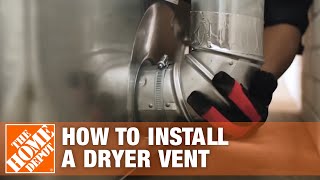
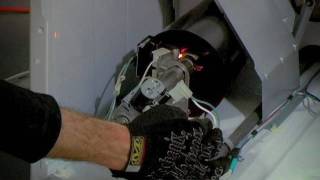
Related How-To Videos
Real DIY Repair Stories
Be the first to share your repair story!
Share Your Repair Story
Your experience helps other homeowners fix their appliances. Tell us how it went!
Can't Fix It Yourself? Find a Local Technician
It's perfectly okay to call a professional. Some repairs require specialized tools, deep teardowns, or dealing with complex systems that are better left to the pros.

Find the Right Part for Your Appliance
Don't guess — search your exact appliance model number at ProsourceParts.com to find the correct OEM compatible replacement part. They offer fast free shipping, guaranteed fit, and thousands of parts in stock.
Your Free Parts Videos
Whether your dishwasher won't drain, your dryer stopped heating, or your fridge isn't cold, we've created simple repair guides for the most common appliance problems homeowners face. Each guide explains what's going wrong, the most likely causes, and which replacement parts fix the issue. When you're ready to order, we link directly to ProsourceParts.com where you can search by model number and get the right part shipped fast.