
Cloth Dryer Not Drying – What Part Fixes This Problem?
Need the replacement part? Search your model number at for guaranteed fit and fast free shipping.
Understanding the Problem
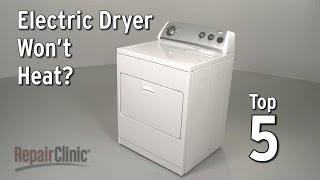
When a clothes dryer runs but clothes remain damp, the root cause can be airflow restriction, a failed heating component, or an electrical/control issue. Electric dryers rely on a heating element and thermostats; gas dryers use an igniter and gas valve coils. Either type also needs proper airflow through the lint filter and vent to allow moisture to escape. A dryer that tumbles but does not heat is usually related to the heating system or a safety device that cuts heat to prevent fires. Diagnosing the problem starts with the simplest checks (lint screen, venting, and power) and progresses to testing components with a multimeter (thermal fuse, heating element, thermostats, moisture sensor). Gas dryers have additional parts to test such as the igniter and gas valve coils. Some failures are quick DIY fixes; others (gas valve, sealed combustion) are safer for a trained technician. Always disconnect power (and gas for gas dryers) before opening the cabinet and testing components.
Common Symptoms
Dryer tumbles normally but clothes are damp or cold, long drying times, dryer gets hot briefly then stops heating, burning smell (vent blockage), or dryer overheats and trips.
Common Causes
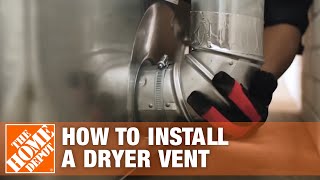
- Clogged lint screen or external vent restricting airflow
- Blown thermal fuse or failed high-limit thermostat that shuts off the heating circuit
- Failed heating element (electric) or igniter/gas valve coils (gas), or faulty moisture sensor/control board
Popular Parts That Fix This Problem
These are the most common replacement parts that fix this problem. When you're ready to order, click below to find the right part at ProsourceParts.com — just search by your appliance model number for a guaranteed fit.
Helpful Repair Tip
First check the lint trap and vent outside for clogs. If the vent is clear but there's no heat, test the thermal fuse for continuity — it’s a common single-failure part that kills heat when blown.
Frequently Asked Questions
Can I fix a dryer that won't dry myself?
Yes — many common causes are DIY-friendly: clean the lint screen and vent, inspect the exhaust outside for a blockage, and check that the dryer is getting full power (electric dryers need 240V). If those steps don’t fix it, you can test the thermal fuse, thermostats, and heating element with a multimeter for continuity. For gas dryers, testing the igniter and gas valve coils is possible but requires shutting off the gas and taking extra precautions. If you’re not comfortable working with gas or live electrical components, call a qualified technician.
How much does it cost to repair a dryer that isn't drying?
Costs vary depending on the failed part and whether it’s a gas or electric dryer. Simple parts like thermal fuses, thermostats, or lint/vent cleaning are inexpensive ($10–$60 for parts; DIY labor = your time). Heating elements and igniters are moderate ($30–$150). Motor or gas valve repairs can be $150–$400 or more including labor. If venting is the issue, professional vent cleaning or replacement of long vent runs may cost $100–$300. Always get a model-specific quote before authorizing repairs.
Related How-To Videos
Real DIY Repair Stories
Be the first to share your repair story!
Share Your Repair Story
Your experience helps other homeowners fix their appliances. Tell us how it went!
Can't Fix It Yourself? Find a Local Technician
It's perfectly okay to call a professional. Some repairs require specialized tools, deep teardowns, or dealing with complex systems that are better left to the pros.

Find the Right Part for Your Appliance
Don't guess — search your exact appliance model number at ProsourceParts.com to find the correct OEM compatible replacement part. They offer fast free shipping, guaranteed fit, and thousands of parts in stock.
Your Free Parts Videos
Whether your dishwasher won't drain, your dryer stopped heating, or your fridge isn't cold, we've created simple repair guides for the most common appliance problems homeowners face. Each guide explains what's going wrong, the most likely causes, and which replacement parts fix the issue. When you're ready to order, we link directly to ProsourceParts.com where you can search by model number and get the right part shipped fast.