
79681582410 Motor — What This Part Does and How to Diagnose & Replace It
Need the replacement part? Search your model number at for guaranteed fit and fast free shipping.
Understanding the Problem
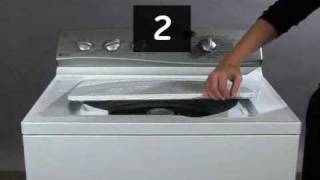
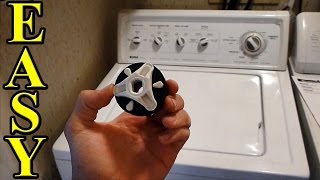
Brief explanation: The part number 79681582410 refers to a drive motor assembly commonly listed for some washers. The drive motor is responsible for spinning and agitating the drum. When it fails, the washer may not spin, may hum without turning, may make unusual noises, or may stop mid-cycle. Diagnostic & repair steps: 1) Confirm compatibility: Look up your washer's model number (usually on a tag behind the door or on the cabinet) and confirm that 79681582410 is the correct motor for your model before buying or replacing the part. 2) Safety first: Unplug the washer and shut off the water supply. Work on a dry surface and wear safety glasses and gloves. 3) Visual inspection: Remove the rear or front access panel and inspect wiring harnesses, connectors, motor housing, and the motor coupling for obvious damage, burnt wiring, or melted plastic. 4) Check for mechanical obstruction: Manually rotate the drum and agitator to confirm nothing is jammed (small items, rags, or coin trapped between tub and basket). A seized drum can make the motor appear dead. 5) Belt & coupling check: If your washer uses a belt, check for a broken or slipped belt. For direct-drive washers, check the motor coupling (commonly fails and is cheaper than a motor). Replace the coupling if visibly damaged. 6) Listen for motor behavior: With the washer powered (carefully), start a spin cycle. If you hear the motor humming or trying to start but it doesn't turn, that points to a weak start circuit, seized bearings, or internal motor failure. 7) Electrical tests (multimeter required): a) Unplug washer. Disconnect the motor harness. With an ohmmeter, measure resistance across the motor windings per your service manual. Typical results should show continuity (a few ohms to tens of ohms depending on motor). Open (infinite) indicates a burned winding. b) Check for short to ground by measuring each winding terminal to the motor case; readings should be OL/infinite. Any continuity to ground means the winding is shorted and the motor must be replaced. c) If your motor uses a start capacitor or relay, test those components as they commonly cause start failures. 8) Check the motor capacitor or start relay: A failed start capacitor or relay will prevent the motor from starting even if the windings are good. Replace the capacitor if it’s bulged or reads out of spec. 9) Check the control board and lid switch: Confirm the motor is getting the correct control signals and voltage. If there's no voltage to the motor when it should run, the issue could be the control board, timer, or safety switches rather than the motor itself. 10) Replace the motor if tests show open windings, short to ground, burnt smell, or if bearing noise indicates internal mechanical failure. Basic replacement steps (generalized): 1) Unplug the washer and move it to allow access. 2) Remove the top or rear access panel to access the motor and drive assembly. 3) Photograph or label all wiring and hose connections so you can reconnect them correctly. 4) Remove the drive belt (if equipped) or the motor-to-transmission coupling. 5) Unbolt the motor mounting screws and lower the motor. Disconnect the motor wiring harness. 6) Transfer any brackets, pulleys, or fan shields to the new motor if required. 7) Mount the new motor (79681582410), reconnect the harness, re-install the belt or coupling, and reassemble panels. 8) Run a test cycle to confirm normal operation. Safety note: Always disconnect power before working on the washer. Motors and capacitors can store energy; ensure capacitors are discharged and use insulated tools. If you’re not comfortable performing electrical tests or removing the motor, hire a qualified service technician.
Common Symptoms
Washer won’t spin or agitate, motor hums but drum doesn’t turn, loud grinding or screeching from motor area, washer stops mid-cycle, burning smell from motor area.
Common Causes
- Burned or open motor windings (internal motor failure)
- Failed motor coupling or worn drive belt (mechanical disconnect)
- Bad start capacitor or start relay preventing motor from starting
Popular Parts That Fix This Problem
These are the most common replacement parts that fix this problem. When you're ready to order, click below to find the right part at ProsourceParts.com — just search by your appliance model number for a guaranteed fit.

Helpful Repair Tip
Before replacing the motor, measure winding resistance and check for continuity to ground. If windings show continuity to ground or infinite/open on expected windings, the motor is bad. If windings look good but the motor only hums, check the start capacitor/relay and the motor coupling first.
Frequently Asked Questions
How can I tell if the motor (79681582410) is bad or if something else is causing the washer not to spin?
Start by visually inspecting the coupling/belt and checking for obstructions. If the drum is free, disconnect power and test the motor windings with an ohmmeter — you should see continuity across expected terminals and no continuity to ground. If windings are open or shorted to ground, the motor is bad. If windings are good but the motor only hums, check the start capacitor/relay and motor coupling before replacing the motor.
Can I replace the 79681582410 motor myself and how long will it take?
Yes, a competent DIYer with basic tools can replace the motor. Expect 1–2 hours for most top- or front-load washers (longer if disassembly is complex). Always unplug the washer, document wiring connections, and follow the steps above. If you’re not comfortable working with electrical diagnostics or lifting the washer, consider hiring a technician.
Related How-To Videos
Real DIY Repair Stories
Be the first to share your repair story!
Share Your Repair Story
Your experience helps other homeowners fix their appliances. Tell us how it went!
Can't Fix It Yourself? Find a Local Technician
It's perfectly okay to call a professional. Some repairs require specialized tools, deep teardowns, or dealing with complex systems that are better left to the pros.

Find the Right Part for Your Appliance
Don't guess — search your exact appliance model number at ProsourceParts.com to find the correct OEM compatible replacement part. They offer fast free shipping, guaranteed fit, and thousands of parts in stock.
Your Free Parts Videos
Whether your dishwasher won't drain, your dryer stopped heating, or your fridge isn't cold, we've created simple repair guides for the most common appliance problems homeowners face. Each guide explains what's going wrong, the most likely causes, and which replacement parts fix the issue. When you're ready to order, we link directly to ProsourceParts.com where you can search by model number and get the right part shipped fast.