
11021352111 Lid Lock – What It Does, Symptoms, Bypass & How to Replace It
Need the replacement part? Search your model number at for guaranteed fit and fast free shipping.
Understanding the Problem
What this part is and what it fixes: The 11021352111 is a lid lock / lid latch assembly used on many top‑loading washers. Its job is to detect/lock the lid during certain cycles (spin/fast agitate, and in some models during the entire cycle) so the washer won't run with the lid open. Replacing this part fixes problems where the washer won't start, won't advance cycles, or stops mid‑cycle because the machine thinks the lid is open. Step‑by‑step diagnostic and repair instructions: 1. Confirm symptoms and safety first: - Symptom: Washer won’t start, displays an error code related to lid/latch (door, lid, or lock), or stops/locks mid‑cycle. Unplug the washer before you begin work. 2. Check for obvious damage: - Inspect the lid latch area for broken plastic, obstructions, or a bent striker. Clean any debris. Physical damage commonly prevents the latch from making contact. 3. Listen and observe during a cycle: - Start a drain/spin or a short cycle and listen when the machine tries to lock the lid. A good lock usually clicks and the lid becomes firmly retained. No click or a weak click suggests a bad lock or stuck actuator. 4. Run a simple electrical test with a multimeter (continuity/ohms): - With power removed and the lock connector unplugged, test for continuity across the switch/lock terminals per the machine’s wiring diagram (or identify the two signal pins). Typical behavior: when you manually actuate the latch (press closed) continuity changes. No change indicates a failed switch. 5. Try a temporary diagnostic bypass (diagnostics only): - Bypass is for testing only—do not use as a permanent solution. Unplug the washer. Remove the console/ access panel to reach the lid lock connector. Identify the two signal/control wires that tell the control board the lid is closed (check wiring diagram/sticker). Carefully short those two signal pins together with an insulated jumper to simulate a closed lid and restore power. If the washer now advances and runs, the lid lock assembly is the likely cause. Important: do not operate the washer with the lid physically unlocked for normal use—this is a safety risk. 6. Inspect wiring and connectors: - Wiggle the harness and check the connector pins for corrosion, bent pins, or loose crimp. Repair or replace damaged harness or connectors. 7. Replace the lid lock assembly (if tests point to failure): - Unplug washer. Open the console or the rear/top access panel per your model. Remove the screws holding the lock assembly, unplug its harness, remove the assembly, and install the new 11021352111 unit. Reconnect harness, secure assembly, reattach panels, plug in washer, and run a test cycle. 8. Final checks: - Verify the lock clicks and holds the lid during spin. Run a full cycle and confirm no error codes and that the machine completes the cycle. Safety note: The lid lock is a safety device. Bypassing it removes protections meant to prevent injury during spin. Only bypass briefly for diagnosis, with the washer unplugged when connecting/disconnecting the jumper and never leave children or pets near the machine while testing with a bypass.
Common Symptoms
Washer won’t start or advance cycles; displays lid/door error code; washer stops mid‑cycle or won’t enter spin; no audible locking click when cycle starts.
Common Causes
- Failed lid lock switch or actuator inside the latch assembly
- Broken latch striker, misalignment, or physical damage to the lid/latch area
- Damaged wiring or corroded connector between lock and control board
Popular Parts That Fix This Problem
These are the most common replacement parts that fix this problem. When you're ready to order, click below to find the right part at ProsourceParts.com — just search by your appliance model number for a guaranteed fit.

Helpful Repair Tip
To confirm the lock is faulty, run the washer and watch/listen for the locking click. Then unplug and use a multimeter to check continuity on the lock harness—if the actuator doesn't change state when manually pressing the latch, replace the lock.
Frequently Asked Questions
Is it safe to bypass the lid lock permanently?
No. Bypassing the lid lock should only be done briefly for diagnostics. The lid lock prevents the washer from spinning with the lid open and is a critical safety device. Running the washer with the lock bypassed creates a risk of injury and may void warranties.
How do I test the lid lock with a multimeter?
Unplug the washer and remove the access panel to reach the lock connector. With the lock disconnected, use continuity mode: actuate the latch by pressing it closed and observe continuity between the appropriate switch terminals. On many locks you’ll see continuity when the lid is closed and open when it’s open (or vice versa depending on the model). No change when actuating indicates a bad lock and it should be replaced.
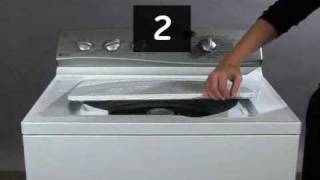
Related How-To Videos
Real DIY Repair Stories
Be the first to share your repair story!
Share Your Repair Story
Your experience helps other homeowners fix their appliances. Tell us how it went!
Can't Fix It Yourself? Find a Local Technician
It's perfectly okay to call a professional. Some repairs require specialized tools, deep teardowns, or dealing with complex systems that are better left to the pros.

Find the Right Part for Your Appliance
Don't guess — search your exact appliance model number at ProsourceParts.com to find the correct OEM compatible replacement part. They offer fast free shipping, guaranteed fit, and thousands of parts in stock.
Your Free Parts Videos
Whether your dishwasher won't drain, your dryer stopped heating, or your fridge isn't cold, we've created simple repair guides for the most common appliance problems homeowners face. Each guide explains what's going wrong, the most likely causes, and which replacement parts fix the issue. When you're ready to order, we link directly to ProsourceParts.com where you can search by model number and get the right part shipped fast.